Ja Rule Books His First Israel Concert — And the Booking Will Speak Before He Does

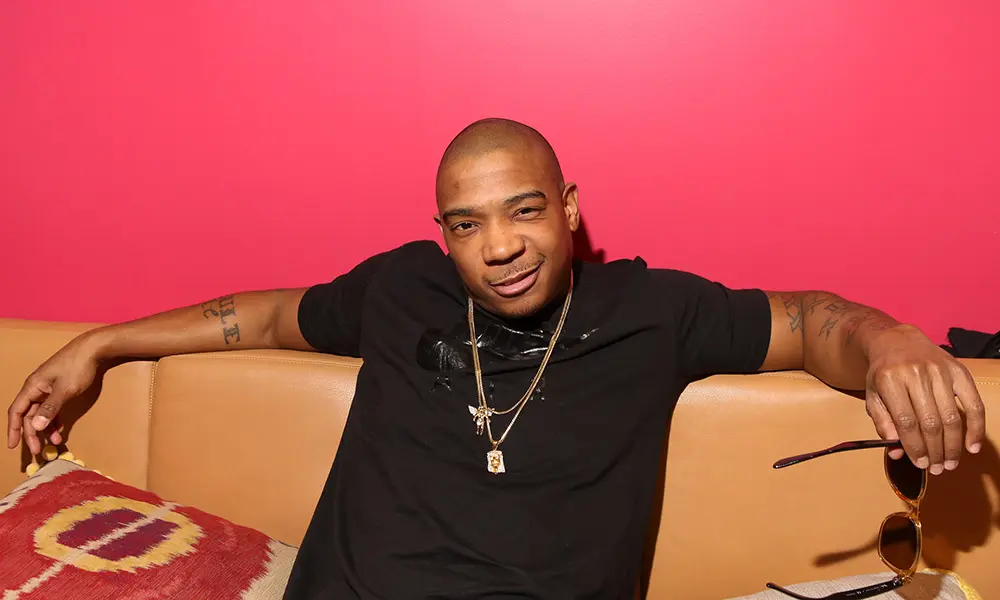
Ja Rule has not announced a political position.
He has announced a concert.
Organizers say the rapper will perform at Amphimax in Rishon LeZion on October 29. According to Ynet, the date will mark Ja Rule’s first concert in Israel, with ticket sales scheduled to begin October 4.
On paper, that is a business move: one artist, one international booking and one night of familiar records.
But location changes the conversation.
With Israel remaining a major fault line across music, politics and public life, Ja Rule’s decision will be interpreted beyond the set list whether he addresses the conflict or not. That does not mean every interpretation will be accurate. It means a visible business decision can carry political meaning before the person making it offers any explanation.
That is the tension surrounding this show.
According to the organizers’ announcement reported by Ynet, ticket prices range from 349 to 700 Israeli shekels. Israeli outlet BaOlam lists lawn admission at 349 shekels, seated grandstand tickets at 549 shekels and access to a standing Gold section at 700 shekels.
Those are announced prices, not confirmed sales.
BaOlam also reports that an official after-party is planned for Hangar 11 in Tel Aviv following the concert, although final operating details would still need to come from the promoter. No supporting acts, special guests or planned set list were identified in the reviewed reports.
Several other business details remain private. Ja Rule’s performance fee has not been disclosed. Neither have the financing structure, contract protections, expected capacity, security plans or refund policies.
And Ja Rule has not publicly explained why he accepted the booking.
Neither Ynet nor AllHipHop quoted him discussing the Israel-Gaza conflict or connecting the show to any political position. There is no verified statement establishing that he supports a government, military action or broader policy because he agreed to perform there.
The booking is confirmed. His motivation is not.
That distinction matters because online conversation has a habit of filling silence with certainty. Some people will view the performance as a normal concert for fans who want to hear the music. Others will see accepting the engagement itself as a political act, regardless of Ja Rule’s intentions.
Neither side needs a statement from him to form that opinion.
This is where an artist’s business and public identity collide. A contract may describe a venue, date, payment and cancellation terms. The audience may see something much larger: recognition, endorsement, protest, neutrality or an attempt to avoid the issue completely.
Hip-hop artists are already taking different paths through that pressure.
In September, Ynet reported that Azealia Banks had scheduled an October 8 concert in Tel Aviv, describing it as her fourth appearance in Israel. Her booking shows that Ja Rule is not the only rapper accepting performance opportunities there.
Macklemore took a different public route. According to the Los Angeles Times, he delivered a pro-Palestinian speech and performed “Hind’s Hall” during a September 4 stadium appearance in New Jersey. The Washington Post later reported that Macklemore said he had been removed from the remaining dates of Ed Sheeran’s tour amid backlash surrounding that appearance.
These examples do not prove which decision is morally correct. They show that performing, speaking and staying silent can all bring professional and public consequences.
For Ja Rule, the next question is whether he addresses the context directly.
Explaining the booking could clarify his reasoning. Maybe he views the engagement strictly as a performance for fans. Maybe there are considerations his team has not disclosed. Maybe he believes artists should perform without every appearance becoming a political declaration.
But an explanation could also intensify scrutiny by placing his exact words into a debate where every phrase will be examined.
Silence avoids that risk.
It does not eliminate interpretation.
There is also no confirmed boycott campaign, cancellation demand, protest or threat directed specifically at Ja Rule’s show in the reviewed reporting. Treating controversy as inevitable is different from claiming an organized campaign already exists.
A lot can still change before October 29. Regional conditions could affect the event. Organizers could announce additional acts or security information. Ticket demand could show whether the booking connects commercially with the local audience. Ja Rule could offer his own explanation—or choose not to.
Until then, the story is not that he has declared a political side.
The story is that he has made a public choice in a place where audiences are unlikely to view that choice as politically empty.
REALITY CHECK: Your Choices Speak Too
People often treat silence like a blank space.
It rarely works that way.
Accepting a job, joining a partnership or appearing at an event can communicate something to the public even when the person involved believes the decision is strictly professional. That does not make every conclusion fair, and it does not mean outsiders automatically understand the motive.
It means intention and perception are two different things.
You do not have to be a famous artist to deal with that gap. Your name can become associated with the companies, events and people you choose to stand beside. If that association matters, explaining the decision may be more useful than allowing everybody else to explain it for you.
That does not mean every business choice requires a political speech. It means public choices come with public readings, especially when the location or moment is already carrying weight.
Silence controls the statement. It cannot control the meaning people attach to the move.
LET’S TALK ABOUT IT
Should accepting a concert in a politically contested location be treated as a political statement, or can an artist reasonably separate the performance from the surrounding conflict?
Does Ja Rule owe the public an explanation for this booking, or should people avoid assigning him beliefs he has never expressed?
Share your perspective below—because this conversation is bigger than one concert date.