Jay-Z Says He Wouldn’t Change His “Jail” Verse — But Ye Still Had the Final Call

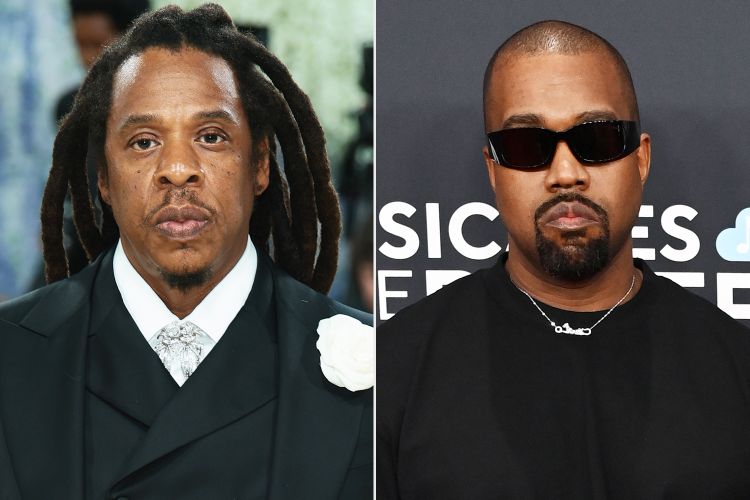
Jay-Z stood behind the line.
Ye controlled the album.
That tension is one of the biggest new details from episodes five and six of HBO’s JAŸ-Z in 8, which premiered October 2 and continued Jay-Z’s career-spanning conversation with producer and director Rick Rubin.
According to The Daily Beast’s account of episode six, Jay-Z said he and Ye argued for approximately two weeks over the reference to Ye’s red MAGA hat in Jay-Z’s verse on “Jail.” Ye was reportedly uncomfortable with the line and wanted it changed.
Jay-Z refused.
But he also gave Ye another option: remove the verse completely.
That detail turns the story into something bigger than two famous collaborators disagreeing over a lyric. Jay-Z maintained control over what he was willing to say, while recognizing that Ye had final authority over what appeared on Donda.
One artist owned the contribution. The other owned the project.
Ye ultimately released “Jail” with Jay-Z’s verse intact on the 2021 album. The disagreement did not prevent the collaboration from reaching listeners, but it apparently carried personal weight long after the song came out.
The Daily Beast reports that Ye revisited the issue in a since-deleted 2025 social-media post. According to the outlet, Ye said the lyric hurt him and questioned why Jay-Z chose to include it.
That reaction adds another layer.
For Jay-Z, the line was part of the point he intended to make. For Ye, it felt like a public shot from somebody with whom he shared a long creative and personal history. Both positions can be real without either artist surrendering his side of the disagreement.
Jay-Z’s comments in the documentary also complicate any attempt to reduce their relationship to a simple feud. While discussing “Jail,” he called Ye “one of the most brilliant creatives we’re ever going to see,” according to Complex.
That is serious praise.
It shows that Jay-Z can reject Ye’s request, criticize one of his choices and still recognize his creative ability. Respect does not always mean agreement, especially when two artists with strong identities enter the same room.
The practical structure of the disagreement is what makes it useful beyond celebrity drama. Jay-Z did not agree to rewrite himself for the feature. Ye did not lose the right to decide what belonged on his album.
The options were direct: use the verse as delivered or leave it off the project.
That is a boundary, not ownership of somebody else’s decision.
Creative partnerships often become messy when contributors confuse those two things. A rapper may control a verse but not the entire record. A producer may protect a beat while the lead artist decides whether it fits the album. A featured artist can reject an edit, but that does not automatically require the project owner to release the contribution.
Sometimes there is no compromise version that feels honest to everyone.
In this case, Ye made the final choice and kept the verse.
JAŸ-Z in 8 places that disagreement inside a much wider examination of Jay-Z’s catalog. Warner Bros. Discovery identifies the eight-part HBO production as a conversation between Jay-Z and Rubin, who made his documentary-directing debut with the series. TV Insider reports that the material came from a two-day conversation filmed in Paris.
Episode five examines “U Don’t Know,” “Politics as Usual” and “Regrets,” according to the published chapter description. Memorable TV reports that episode six covers “Jail,” “Ignorant Shit,” “Hovi Baby,” “Kill Jay-Z,” “99 Problems,” “Threat,” “Dead Presidents II” and “Public Service Announcement (Interlude).” Apple TV’s description also says the episode addresses Jay-Z’s first meeting with Ye.
That range is important because the series is not only reopening one disagreement. It is allowing Jay-Z to frame records from different eras in his own words.
The timing also fits a broader catalog-focused campaign. According to Billboard Canada, Jay-Z expanded the streaming edition of 4:44, participated in Reasonable Doubt anniversary activity and released a 30th-anniversary collector’s crate containing his solo albums.
The music already exists. The new product is context.
That comes with one limitation: Jay-Z’s explanation remains Jay-Z’s perspective. A documentary can provide access, memories and creative insight without becoming the final version of every relationship it discusses.
Ye has not publicly responded in 2026 to Jay-Z’s documentary account in the reviewed material. It is also unknown whether episodes seven and eight, scheduled for October 9, will address their current relationship.
No new Jay-Z album, Ye collaboration or Watch the Throne sequel was announced in episodes five or six. Online reunion speculation remains unconfirmed.
For now, the important revelation is not that another project is coming.
It is how one completed collaboration survived because both artists understood where their authority ended.
REALITY CHECK: A Boundary Is Not Control
Standing behind your work does not mean forcing somebody else to use it.
Jay-Z’s reported position was firm: he would not rewrite the line. But he also acknowledged that Donda belonged to Ye and gave him the freedom to remove the verse.
That is a useful distinction in any collaboration. You can decide what you are willing to contribute. The other person can decide what belongs in the final product. Neither side has to abandon its standards simply because the two positions do not match.
Compromise can save a project, but forced compromise can weaken the work and damage the relationship behind it. Sometimes the cleanest option is to state the boundary and accept that the answer may be no.
Protecting your voice is your decision. Using that voice in somebody else’s project is theirs.
LET’S TALK ABOUT IT
Was Jay-Z right to refuse to change the “Jail” reference while giving Ye the option to remove his verse entirely?
In a collaboration, should the contributor control how the contribution is presented—or should the person responsible for the full project always have the final word?
Add your perspective below—because creative control gets complicated when respect, history and ownership all meet in the same room.