Chance the Rapper Considers Becoming “The Rapper” — But the Name Is Really About a New Boundary

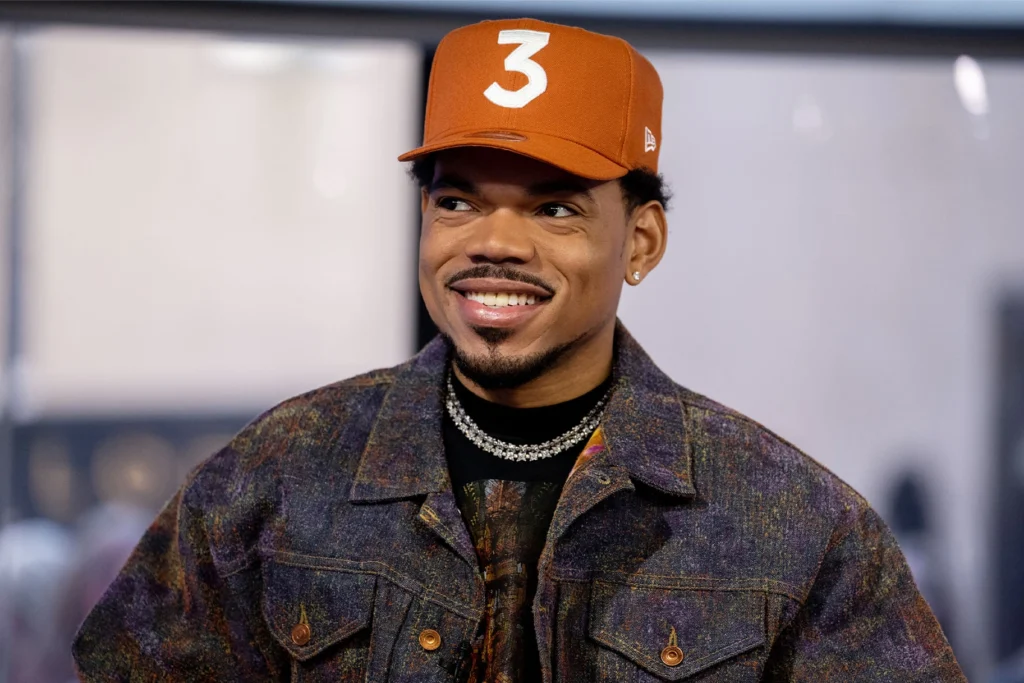
Chance the Rapper may be ready to remove the “Chance.”
Not because he wants to stop rapping.
Because he wants the craft to reveal less of the person behind it.
During the October 1 episode of Raven-Symoné and Miranda Maday’s Tea Time podcast, Chance discussed the possibility of shortening his stage name to “The Rapper.” According to Complex’s transcript, he said, “I’m going to take off the ‘Chance.’ I just want to be The Rapper.”
Chance said he has been thinking about the possible change “a lot.” Podcast Rex’s transcript summary also reports that he floated “Rap” as another option before leaving the interview.
But nothing is official.
Chance did not provide an effective date or say that either name had been formally adopted. His official artist profiles, tour billing and business entity remained unchanged in the reviewed material. Both Complex and The Source framed his comments as consideration of a possible rebrand—not an announcement that Chance the Rapper had already become The Rapper.
The intention may be serious. The transition has not happened.
The bigger story is not whether “The Rapper” sounds better on a festival poster. It is why Chance appears interested in removing the most personal part of an identity he has used throughout his career.
During the conversation, Chance connected rap, language, writing and performance to how he now understands himself as an artist. According to Complex’s transcript, he also associated the “Chance” portion of his name with the personal vulnerability and autobiographical detail he has historically placed in his music.
That openness helped define his public identity. Listeners were not only hearing songs—they were being invited into his experiences, relationships, beliefs and changing perspective.
Now, he appears to want a different arrangement.
Chance told Tea Time that he has less interest in turning the details of his private life into public “fodder,” according to Complex. Becoming “The Rapper” would therefore represent more than a shorter name. It would place the emphasis on what he does—writing, performing and shaping language—rather than how much personal access he gives the audience.
That is a meaningful distinction in the current content economy.
Artists are expected to promote a project, explain the project, reveal what inspired the project and keep supplying personal details after the music arrives. The boundary between the work and the person can disappear quickly, especially when every interview answer can become its own headline or social-media clip.
Chance seems to be asking whether the music can remain honest without every private experience becoming public property.
His recent work provides useful context. Apple Music records that Chance released the 17-track album Star Line on August 15, 2025, through Chance the Rapper LLC. During the Tea Time episode, he discussed the project’s connection to Ghana and the historical Black Star Line, according to the podcast’s official listing and transcript summary.
That album looked outward toward history, movement and identity. Meanwhile, Live Nation announced the Coloring Book 10 Year Anniversary Tour on May 14, 2026. The North American run began on August 11 and is scheduled to conclude in Pittsburgh on October 11.
That places Chance in an interesting position: he is touring behind the anniversary of a major earlier chapter while considering how he wants to be identified in the next one.
A new name could make the shift visible, but it would also create practical questions. “Chance the Rapper” connects an established catalog, touring identity, streaming presence and audience recognition. “The Rapper” would center the craft, but its general nature could make discovery and branding more complicated.
There are also unanswered business questions. Chance has not said whether a change would apply to future releases, streaming profiles, touring, merchandise or Chance the Rapper LLC. The reviewed sources do not confirm any trademark filing, and there is no indication that his existing catalog would be renamed or transferred to a different artist identity.
Then there is the simplest question:
Would he actually choose “The Rapper,” settle on “Rap” or keep the name everyone already knows?
For now, all three possibilities remain open. The discussion could be personal reflection, the beginning of a long-term rebrand or an idea Chance ultimately decides not to pursue. There is no confirmed evidence tying it to another album campaign.
What is clear is that Chance is thinking beyond typography.
He is reconsidering the agreement between the artist and the audience: how much of himself the work should contain, how much the public should receive and whether being authentic must always mean being personally exposed.
The possible name change is the headline. The boundary behind it is the real decision.
REALITY CHECK: Growth Can Change Who Gets Access
There is a difference between becoming private and becoming dishonest.
A person can respect the openness that shaped an earlier chapter without promising the same level of access forever. Work changes. Responsibilities change. The person creating the work changes too.
That does not mean every boundary is automatically wise, and a new name cannot establish one by itself. If Chance adopts “The Rapper,” the meaning will come from what follows: the music he releases, the interviews he gives and the parts of his life he chooses to keep outside the content machine.
The same principle applies away from music. People often assume that access granted once must remain available permanently. A friend, audience, workplace or online following may expect the same explanations and personal details it received before.
But previous openness is not a lifetime contract.
Changing that access can confuse people who became comfortable with the earlier version of you. It can also create the space required to work with more intention.
Growth does not require giving everybody the same access they once had.
The name may change. The real move is deciding what remains personal.
LET’S TALK ABOUT IT
Would “The Rapper” help Chance place the focus on his craft, or is “Chance the Rapper” too recognizable and valuable to leave behind?
Can an artist preserve the honesty listeners expect while deciding that parts of his private life are no longer public material?
Join the conversation below—because every artist has to decide where the music ends and personal access begins.