Eazy The Block Captain Targets Papoose and Claressa Shields on “Lothario”


A diss record can turn private tension into public entertainment overnight.
The streams begin. The clips spread. Everybody picks a side.
But the people at the center still have to live with the fallout after the timeline moves on.
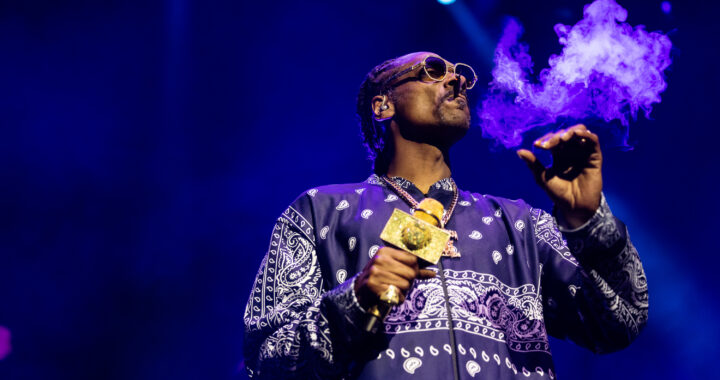
Eazy The Block Captain released “Lothario (Papoose Diss)” on October 10, 2026, escalating his long-running conflict with Papoose and pulling Claressa Shields deeper into a relationship saga already connected to Remy Ma.
Apple Music lists “Lothario” as a four-minute single released through Gutta City Entertainment. Eazy’s official Gutta City website also promoted the song and its accompanying video.
The record follows Papoose’s “Jezebel,” which Apple Music lists under a September 18 release date. On that track, Papoose made his own allegations concerning Remy Ma and her reported connection to Eazy. Those accusations have not been independently verified either.
Now Eazy has answered with more than bars.
According to AllHipHop, “Lothario” includes alleged details about Papoose’s relationship with Shields, along with accusations involving private recordings and surveillance. The outlet described those claims as unsubstantiated.
The Shade Room reported that Eazy also claimed he financially supported Remy Ma and attended an event involving the daughter she shares with Papoose. Those are Eazy’s allegations, not independently established facts.
That distinction matters.
A diss song is built to make an opponent look vulnerable. It rewards sharp writing, memorable angles and information that listeners have not heard before. But repeating a private accusation over a beat does not prove the accusation.
When initial reports appeared, neither Papoose nor Shields had publicly responded to “Lothario.” Until they do—or until evidence establishes more—listeners are hearing Eazy’s side of a deeply disputed conflict.
The history behind the music goes back further than these two records.
In December 2024, Papoose publicly claimed that he assaulted Eazy during a December 2023 confrontation. Eazy challenged Papoose’s version, leaving the details of that encounter contested.
TMZ later reported, based on divorce documents it obtained, that Papoose filed to end his marriage to Remy Ma in May 2025 and cited irreconcilable differences. Then, during a September 2025 appearance on Tamron Hall, Papoose and Shields identified themselves as partners while discussing marriage and starting a family.
Remy added her own music to the moment when she released the six-track Alimony EP on September 25, 2026, according to Apple Music.
That timeline explains why “Lothario” is bigger than a routine rap response. The song connects a battle-rap rivalry, a contested physical confrontation, a divorce and multiple relationships inside one content cycle.
And content cycles create incentives.
For Eazy, the record can generate attention beyond battle rap, drive listeners toward his music and keep his name moving across blogs and social platforms. From a promotional standpoint, controversy creates reach.
But there is another side to that equation.
The more personal the allegations become, the easier it is for the actual rapping to disappear behind the gossip. Instead of debating delivery, strategy or whether the response was effective, people begin dissecting marriages, parenting, children and alleged private conduct.
That expansion raises the stakes for everyone involved.
Papoose becomes attached to allegations he disputes or has not addressed. Shields gets pulled into a conflict she did not start on record. Remy remains central to a public story about her marriage and personal life. Even Eazy risks becoming known less for his battle résumé than for his connection to somebody else’s divorce.
Maybe Papoose responds with another song. Maybe Shields addresses Eazy directly. Maybe supporting evidence emerges for some of the claims. Maybe none of that happens.
Several important questions remain unanswered: Can the allegations involving recordings, surveillance, parenting or financial support be verified? What is the current legal status of Papoose and Remy’s divorce? Have Remy and Eazy directly confirmed the nature of their relationship?
The releases are real. The underlying accusations remain disputed or unsupported.
That is the line the audience should not lose.
REALITY CHECK: Attention Pays, but Reputation Carries the Bill
Once private conflict becomes public content, control changes hands.
Blogs can package it. Platforms can recommend it. Commentators can debate it. Spectators can turn it into memes, reaction videos and engagement.
Everybody can profit from the attention without sharing the reputational cost.
That does not mean artists should never address real experiences in their music. Hip hop has always turned conflict, betrayal and personal pressure into records. Honest expression is part of the art.
But there is a difference between telling your story and creating an endless public courtroom where the loudest allegation becomes the verdict.
A song can shape public opinion before anyone verifies what happened. A viral clip can permanently connect someone to a claim even if that claim is later challenged. And when partners or children enter the lyrics, the damage can spread beyond the two people who chose to battle.
You do not have to be famous for that lesson to apply. Posting screenshots, recordings or accusations may feel like taking control of the story, but it also gives strangers permission to interpret—and monetize—your life.
The diss record creates the headline. The people involved inherit the CONSEQUENCES!!!
LET’S TALK ABOUT IT
When artists turn private relationship disputes into diss records, is that honest expression—or does the demand for attention make the conflict more damaging?
Once partners, family members and children enter the lyrics, has the battle crossed a line that streams and engagement cannot justify?
Drop your take below—because everybody can watch private business become content, but only a few people have to carry what comes next.