Wale Turns Sneaker Credibility Into a Seat at the Ownership Table

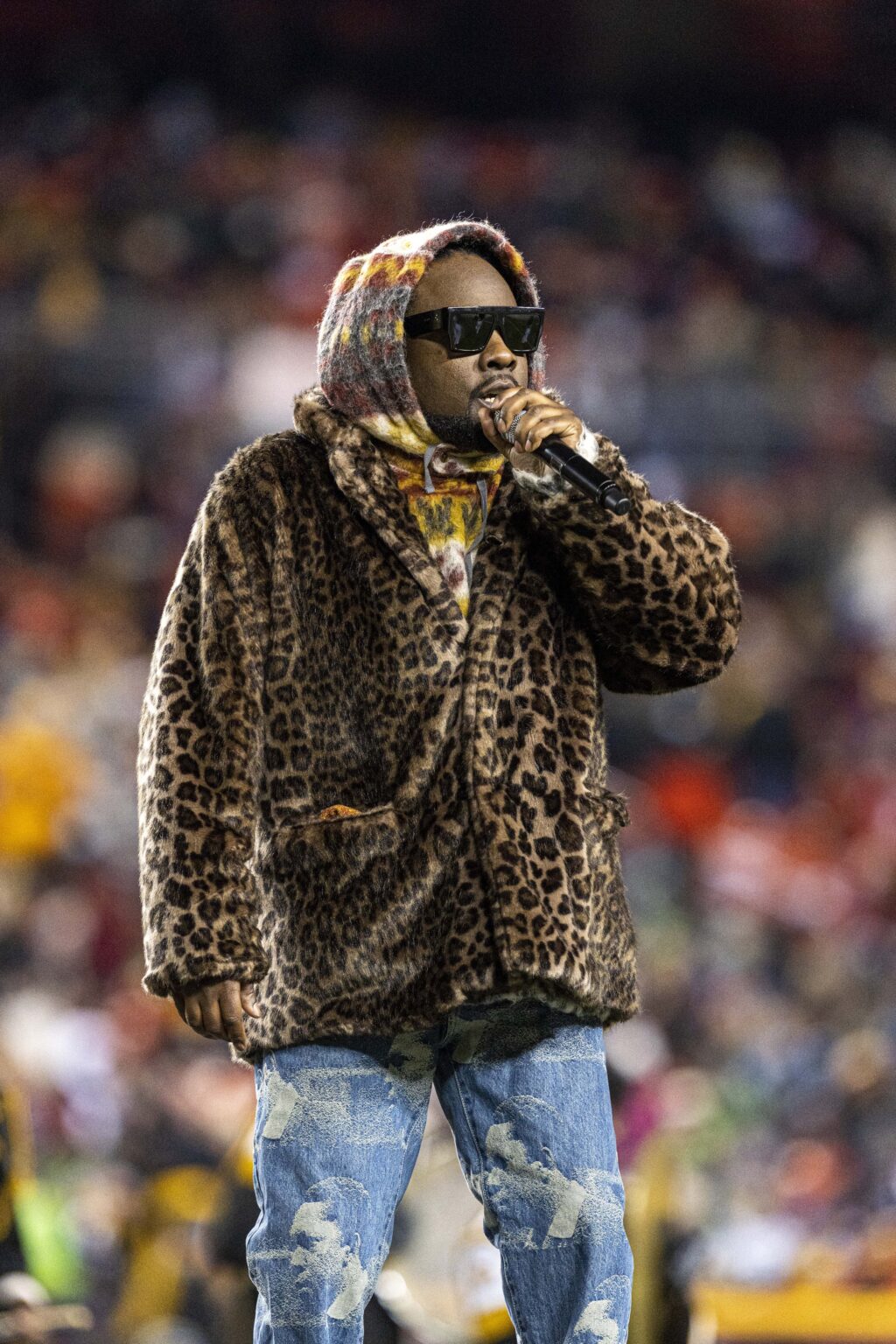
Wale could have taken another endorsement check.
Instead, he reportedly invested, secured equity and stepped into the executive suite.
On October 14, 2026, that Wale joined sneaker-preservation company CapSole as a co-owner. Footwear News also reported that the rapper was named an equity partner and chief creative officer, giving him a role in shaping the company’s creative vision, cultural partnerships and next phase of growth.
That distinction matters.
Wale is not simply being presented as the face of a campaign. According to both reports, he now has ownership and leadership responsibilities in the business.
CapSole founder and CEO Darren Lee told Footwear News that Wale invested in the company and would help lead its creative direction. Neither Wale nor CapSole disclosed the size of that investment, his ownership percentage or the company’s valuation.
In other words, the position is confirmed. The value of the position is not.
According to CapSole’s official company history, Lee began developing the business in 2019 after searching for a way to preserve his own sneaker collection. The company says its reusable, airtight storage pods are designed to reduce sneakers’ exposure to oxygen, moisture and light.
That may sound like a narrow product category until you consider how sneaker culture works.
For collectors, sneakers are not always disposable purchases. Certain pairs carry personal meaning, cultural history or resale value. CapSole is selling protection for the product, but it is also selling peace of mind to people who treat their collections like assets.
Wale understands that audience.
His connection to sneaker culture did not begin with this announcement. On December 10, 2025, Wale’s official YouTube channel released “The Second Coming,” a promotional film connected to his Nike G.T. Future collaboration. Sneaker News reported that his blue G.T. Future colorway was scheduled to arrive at select Foot Locker locations on December 13, 2025.
There is no publicly confirmed formal relationship between CapSole and either Nike or Foot Locker. Wale’s sneaker collaboration and his CapSole position are separate business developments.
Still, the sequence says something.
First came the footwear collaboration and the visibility around it. Now comes an investment and an executive title inside a company serving sneaker consumers.
The culture opened the door. Wale reportedly negotiated for a seat inside the business.
In a statement provided to Footwear News, Wale explained that he wanted his involvement with CapSole to go beyond promoting the company. Becoming chief creative officer and co-owner, he said, was important to him.
That suggests he wants to participate in decisions, not just advertisements.
If the role carries real authority, Wale could influence what CapSole creates, which cultural partnerships it pursues and how it speaks to sneaker collectors. His name may attract attention, but his value to the company could depend on whether he can turn that attention into products, relationships and sustained customer interest.
The title also creates expectations.
Calling someone a chief creative officer sounds more substantial than naming that person a brand ambassador. It implies responsibility for the work that follows. Consumers will now be able to ask what changed, what launched and what Wale actually helped build.
Those answers have not arrived yet.
CapSole and Wale have not publicly detailed his day-to-day operating responsibilities or specific decision-making authority. They have not announced a signature collection under his leadership. They also have not disclosed the company’s revenue, sales or valuation at the time of his investment.
And the biggest financial questions remain open: How much did Wale invest? What percentage does he own? Are there restrictions attached to his equity? What would need to happen for that stake to become valuable?
Ownership sounds powerful because it can be powerful. But the word “owner” does not reveal the economics of the deal.
A small stake in a growing company could develop into something meaningful. A stake in a business that struggles could produce little or nothing. The outcome depends on the percentage, the legal terms, the company’s performance and whether there is eventually an opportunity to sell or profit from that ownership.
That uncertainty does not erase the importance of the move. It simply keeps the celebration grounded in what has actually been confirmed.
Wale reportedly moved beyond lending his image to a sneaker-related company and placed money, credibility and creative responsibility into the operation. Now CapSole has to show what that partnership produces.
REALITY CHECK: Don’t Stop at Being the Face
Attention can earn a check. Ownership and decision-making power can keep producing value after a campaign ends.
That does not mean every artist—or every person with an audience—should automatically trade guaranteed money for equity. A stake can sound impressive while carrying limited value, limited authority or significant risk.
The real questions are practical: What percentage are you receiving? What rights come with it? Can the company issue more shares and reduce your position? Are there royalties, licensing rights or approval powers? What happens if the business is sold?
Those details separate meaningful ownership from a title that looks good in a press release.
When your skill, credibility or audience can help a company grow, it may be worth discussing more than the upfront fee. Equity, royalties, licensing rights and genuine decision-making authority can create long-term upside—but only when the agreement is clear and the business has real potential.
The headline is Wale joining CapSole. The real business is turning influence into leverage.
LET’S TALK ABOUT IT
Should artists keep accepting endorsement checks, or should ownership and decision-making power become the new standard when their influence helps build a company?
And would you accept less money upfront for a real stake in the long-term upside?
Drop your take below—because the biggest check is not always the one written first.