The Outkast–Ovrkast Fight Is Really About Who Owns an Artist’s Identity


A stage name can start as a creative choice.
Once the music connects, that name becomes search traffic, streaming history, merchandise, social handles and audience recognition.
Then it becomes an asset worth fighting over.
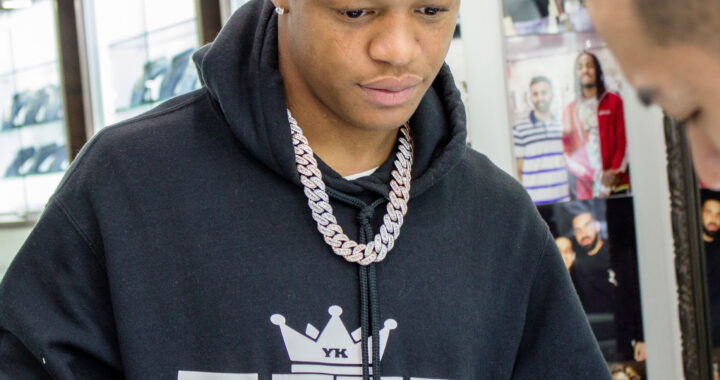
High Schoolers LLC, the trademark company controlled by Outkast members André 3000 and Big Boi, filed a federal lawsuit against Oakland rapper Silas Wilson—professionally known as Ovrkast—on September 16, 2026.
According to the complaint filed in the Northern District of Georgia, High Schoolers alleges that Ovrkast’s name is confusingly similar to Outkast. The company brought 10 counts, including trademark infringement, unfair competition, dilution, deceptive trade practices and breach of contract.
Those are allegations. None of the claims has been adjudicated.
The publicly indexed federal docket identifies the case as High Schoolers, LLC v. Wilson and shows that it was assigned to U.S. District Judge Eleanor L. Ross.
The legal filing is the headline. The real fight is over who gets to keep the value attached to an artist’s identity.
According to the complaint, High Schoolers sent Wilson a cease-and-desist letter on June 18, 2025. The company alleges that subsequent negotiations produced an agreement requiring him to stop using Ovrkast and transition to Overkxst by July 15, 2026.
But one detail complicates that account.
The complaint acknowledges that a finalized settlement document was sent to Wilson on April 10, 2026, and alleges that he delayed before refusing to sign it.
Wilson has publicly disputed the idea that he entered a binding deal. In a since-deleted X post reported by The Atlanta Journal-Constitution and Complex, he said he “NEVER SIGNED any agreement” and maintained that he had remained cooperative while searching for a workable alternative name.
That leaves a major legal question unresolved: Did the negotiations create an enforceable agreement even without Wilson’s signature?
High Schoolers is asking for a jury trial, an injunction preventing Wilson from using the disputed name, profits, damages, legal costs and the destruction of merchandise or promotional materials carrying the Ovrkast name. The complaint does not state a specific damages figure.
Then a journalist’s interview became part of the case.
High Schoolers cited Wilson’s July 9, 2025, Rolling Stone interview with Andre Gee as potential evidence of consumer confusion. During that conversation, Wilson acknowledged that some people read Ovrkast as Outkast, although he denied that the legendary Atlanta duo inspired his stage name.
Gee pushed back in an October 14 report from The Atlanta Journal-Constitution. He said the comment came during a free-flowing conversation centered on an independent artist’s rise—not an interview he expected to be repurposed as courtroom evidence.
Gee described the industry system’s intrusion into that conversation as disappointing. He also expressed concern that the lawsuit could become some listeners’ first association with Ovrkast before they ever hear his music. AllHipHop later highlighted Gee’s criticism as cultural pushback surrounding the case.
His objection does not decide the legal merits. Context in journalism and evidence in litigation are not always judged by the same standard.
Still, Gee’s concern gets to the larger cost facing Wilson.
An artist’s name connects everything. It helps listeners find the catalog, recognize new releases, follow social accounts, buy merchandise and tell somebody else what to search. If that name changes, the music does not disappear—but the road leading people to it can become harder to follow.
For an independent rapper building momentum, that disruption matters. A new spelling could mean rebuilding recognition across platforms while convincing existing listeners that the new name belongs to the same artist.
No verified public figure establishes what a rebrand would cost Wilson. But the possible damage reaches beyond new artwork. It could affect discovery, word-of-mouth, merchandise and the continuity between past releases and whatever comes next.
High Schoolers has a serious business interest too.
Outkast is not simply a famous group name sitting in hip-hop history. It is a trademark carrying decades of commercial recognition. Attorney Dayna Thomas told the AJC that trademark owners must enforce their marks, while attorney Lee Morin said Wilson’s own acknowledgment that people sometimes confuse the names could strengthen High Schoolers’ position.
That does not automatically prove legally actionable confusion. It does explain why the company may see inaction as a risk.
So this is not a clean hero-versus-villain story.
High Schoolers says it is protecting an established mark and enforcing an alleged deal. Wilson says he never signed that deal and was still trying to find an acceptable solution. Gee believes a conversational remark about an independent artist’s journey is now being used in a way that could overshadow the artist himself.
The court still has to sort out the difference between visual similarity, casual misreading and confusion that actually violates trademark law. It may also have to determine whether the parties reached an enforceable agreement without a signed final document.
A settlement could still produce a new spelling, a licensing arrangement or a longer transition period. Until then, the lawsuit remains pending and the accusations remain unproven.
REALITY CHECK: Clear the Name Before Building the Brand
A name may begin as self-expression, but it becomes a business asset when attention, income and audience loyalty attach to it.
That lesson reaches far beyond Ovrkast.
Before creators invest heavily in music, merchandise, websites and promotion, they should investigate existing trademarks, search for similar names and seek qualified legal guidance when necessary. Early clearance can feel like an avoidable expense when nobody knows the brand yet. Changing everything after the audience arrives can cost far more.
That does not mean High Schoolers should automatically win. It does not mean Wilson intentionally traded on Outkast’s reputation. And it does not answer whether occasional misreading is enough to justify forcing an artist to rebuild his identity.
It means creative momentum and legal ownership are different things.
The name gets the attention. The rights determine who keeps the value.
LET’S TALK ABOUT IT
Should an established group be able to force an emerging artist to rebrand when the names look similar—or should it first have to prove meaningful listener confusion?
If Ovrkast must change his name, what would be a fair way to protect the audience and business value he has already built?
Drop your take below—because this fight could shape far more than one artist’s name.