Quavo and Takeoff’s “Hotel Lobby” Streams Surge — But Who Controls the Value?

Four years after its release, “Hotel Lobby” is moving again.
Not because Quavo and Takeoff recorded a new version. Not because COLORS filmed another performance.
An AI meme sent people searching for the original.
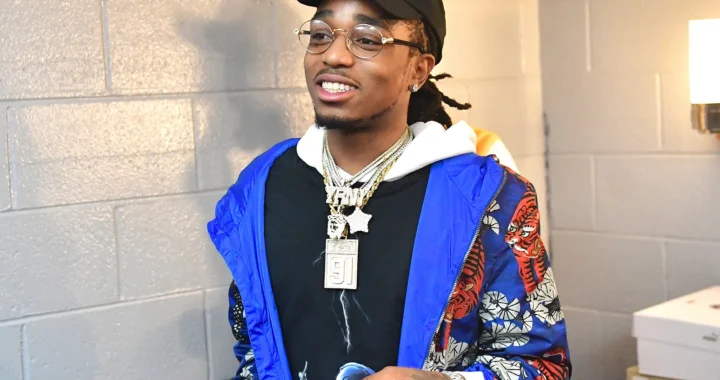
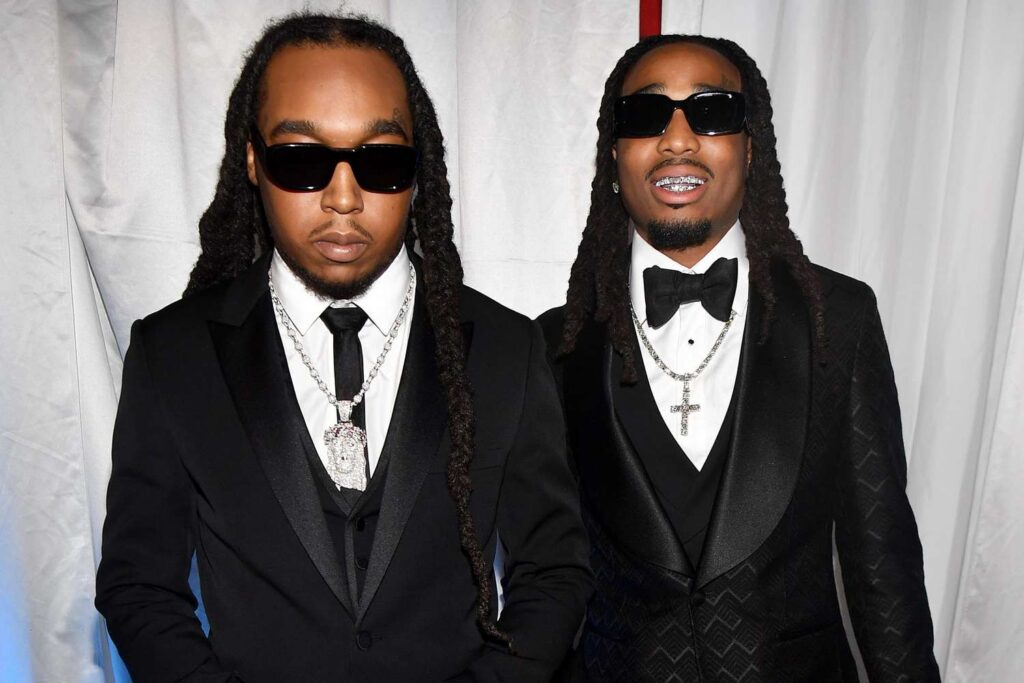
COLORS published Quavo and Takeoff’s performance under their Unc & Phew name on June 17, 2022. The presentation was simple and instantly recognizable: the two rappers trading verses around one suspended microphone against a bright orange background.
Now that setup has become a template.
Complex reported that AI-generated edits spread across TikTok and other platforms in September 2026, replacing Quavo and Takeoff with celebrities, fictional characters and animals while recreating the original performance’s movements and delivery. The figures change, but the staging and audio direct the audience back to “Hotel Lobby.”
The Source reported on September 30 that U.S. streams of the COLORS recording increased 540% after Quavo reposted the original performance.
That sounds massive.
But the percentage needs context.
The Source did not identify which streaming platform produced the data, who calculated it, what measurement period was used or how many streams existed before and after the increase. The report also did not make clear whether the figure applies exclusively to the COLORS recording, the studio single or both.
A 540% increase can signal real momentum. Without a baseline, however, it cannot establish how much money, chart movement or total listening the trend actually produced.
The percentage measures growth. It does not reveal the scale of the business.
The documented timeline still shows that the AI edits generated attention.
Know Your Meme recorded a September 16 edit featuring characters from Suits that had accumulated more than 1.7 million TikTok views by September 28. Those figures were captured at that point and may continue changing.
Rotation first detected the COLORS version on its tracked Shazam-market charts on September 17. By September 25, Rotation had recorded the song as appearing across 70 Shazam markets.
That is another useful signal, but it is not the same thing as streaming. Shazam activity measures people attempting to identify a song. It can show curiosity and discovery without proving that each identification became a completed play.
Then Quavo stepped in.
On September 23, he reposted the COLORS performance and wrote “The Original,” adding the “Hotel Lobby” hashtag. Complex and Hip-Hop Wired documented the repost as the AI trend continued growing.
His message was brief, but the direction was clear: if people were watching the remakes, here was the source.
What Quavo did not publicly explain is just as important. His repost did not confirm whether he approved the AI versions, objected to them or had any involvement in their creation. It should not be treated as either permission or a legal challenge.
The available reporting also does not include a confirmed public position from Takeoff’s estate, COLORS or the recording’s rights holders. It does not identify who authorized the edits, if anyone did, or which people and companies receive revenue when listeners return to the official recording.
That uncertainty changes the conversation.
According to the Associated Press, Takeoff—born Kirsnick Khari Ball—was fatally shot in Houston on November 1, 2022. His presence in these remakes is therefore posthumous. He cannot personally decide which jokes, characters or settings should be connected to his voice, movements or likeness.
That does not automatically settle the legal status of every edit. Copyright, likeness and ownership questions can depend on facts and agreements that have not been made public here.
But it does make this more complicated than an ordinary meme.
Viral creators can gain views. Platforms can gain engagement. The original recording may gain new listeners. Yet those benefits do not answer who controls the presentation, who approved the use or how much value reaches the people connected to the work.
Two things can be true at once.
The AI trend may introduce “Hotel Lobby” to listeners who missed it in 2022. It may also place Takeoff’s posthumous image inside content that neither he nor his estate has publicly endorsed.
Discovery and consent are separate questions.
There are still major gaps in the story. Nobody identified in the available reporting has publicly explained the 540% figure’s methodology. No confirmed authorization for the remakes has been presented. No revenue breakdown has been disclosed. And there is no evidence yet that this burst of attention will continue after the meme cycle moves on.
For now, the trend has created visibility.
Whether the people behind the original control what happens next remains unclear.
REALITY CHECK: Attention Is Not the Same as Control
A viral moment can create traffic, recognition and possible revenue without giving the original creator much authority over how the work is altered.
That problem reaches beyond music.
A person’s face can become a template. Their voice can become raw material. Their work can generate engagement for accounts and platforms they do not control, sometimes before they even know it is happening.
Credit can help an audience locate the source. But credit alone does not answer questions about permission, decision-making or who benefits when attention becomes business.
This does not mean every remix, parody or fan-made creation carries the same circumstances. It means AI has made imitation faster, more convincing and easier to distribute at scale—while the boundaries around consent are still being debated.
The issue becomes even heavier when the person being reproduced can no longer speak for himself.
The meme creates the attention. The protections determine who controls its value.
LET’S TALK ABOUT IT
If an AI trend sends listeners back to the original song, does that benefit outweigh the absence of confirmed permission behind the remakes?
Should an artist’s estate have greater control when AI reproduces the voice, movements or likeness of someone who can no longer consent—or would that place too many limits on remix culture?
Drop your take below—because going viral and having control are two very different wins.