Hip Hop Cannot Nostalgia Its Way Out of a Chart Slump

A classic record can bring memories back.
It cannot automatically bring listeners back with it.
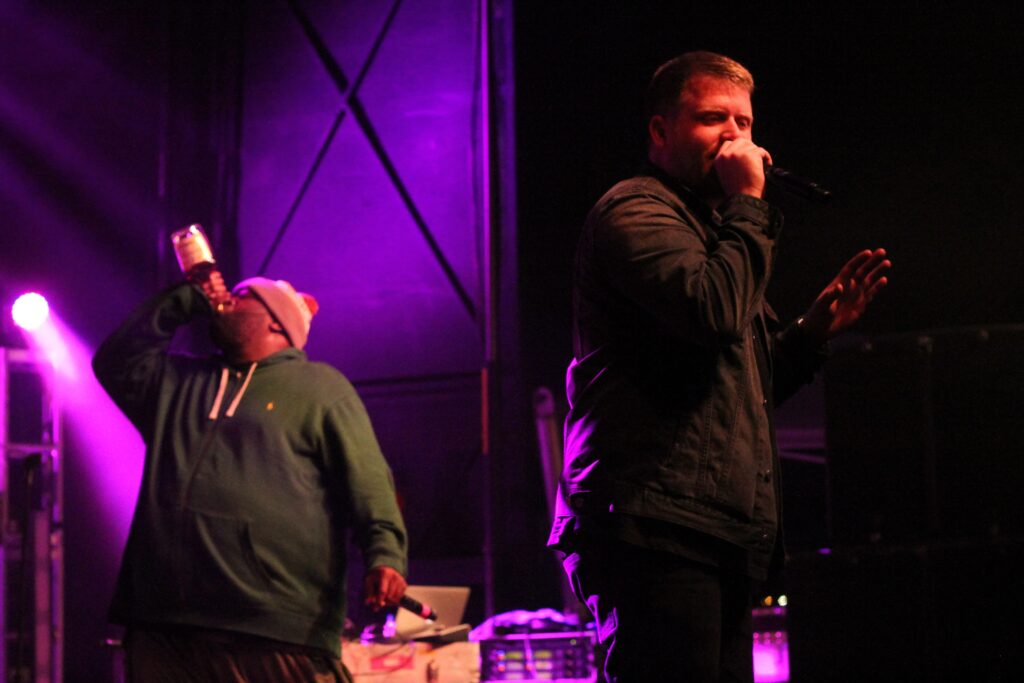
That tension followed hip hop through summer 2026 as The Game, Meek Mill, and Run the Jewels revisited signature material with new verses, collaborators, or production. Each release carried built-in recognition. Each offered fans a connection between an established catalog and a current chapter.
But according to Billboard, only one of those three releases entered the Hot 100—and it disappeared after one week.
That matters because rap has been searching for real chart momentum. Billboard reported that through October 5, Drake remained the only rapper to score a 2026 Hot 100 top-10 hit as a lead artist.
The bigger question was obvious: Could proven records help hip hop break out of its chart slump?
The first experiment arrived June 17. Apple Music lists that date for DJ Shadow and Run the Jewels’ “Nobody Speak Part 2,” featuring Denzel Curry and TiaCorine.
DJ Mag described the track as a reworking of DJ Shadow and Run the Jewels’ 2016 collaboration, now expanded with verses from two current voices. On paper, the formula made sense: take a familiar record, preserve the chemistry that made it work, and introduce new energy through collaborators with their own audiences.
Billboard reported that the song did not reach the Hot 100.
Meek Mill took a different approach with “Nightmares to Dreams,” released through DreamChasers on July 31, according to Apple Music. Billboard described the record as a return to the sound and themes associated with his 2012 signature song, “Dreams and Nightmares.”
That connection gave Meek an immediate advantage. He did not have to explain why the record mattered or what emotional lane he was entering. The title alone invited listeners to compare the new song with one of the defining records in his catalog.
It worked—for a moment.
Billboard reported that “Nightmares to Dreams” debuted at No. 82 on the Hot 100 dated August 15. One week later, it was gone. It was still the only one of the three revisited records to reach the chart.
Then came The Game.
Apple Music lists “Love It or Hate It” as an August 21 release credited to The Game, Snoop Dogg, Sela V, and Cool & Dre. Billboard reported that the song reworked his 2005 hit “Hate It or Love It,” replaced original collaborator 50 Cent with Snoop Dogg, and added a Bobby Caldwell sample.
The Game told Billboard that people around him initially considered revisiting the classic risky. His purpose, he explained, was to connect The Documentary III with his 2005 debut, The Documentary.
Creatively, that logic is easy to understand.
A self-remix can reactivate loyal fans, restart conversation around a catalog, and help listeners connect an artist’s history with a new album. A younger collaborator can also introduce the source material to people who were not there for its original run.
The strategy becomes more powerful when the new record has its own reason to exist.
That is where the chart results complicate the story. Billboard reported that “Love It or Hate It” did not enter the Hot 100. Neither did “Nobody Speak Part 2.” Meek’s record reached the chart, but it did not create sustained movement.
That does not mean the songs accomplished nothing. A release can support an album, create a touring moment, energize core fans, or produce attention that never appears on the Hot 100. Those outcomes still carry value.
But the narrower conclusion is difficult to avoid: none of these three records produced lasting mainstream chart momentum.
The problem is not nostalgia itself. The problem comes when recognition is expected to do the work of discovery, promotion, timing, and audience development.
Listeners may remember the original without adopting the remake. They may enjoy the reference without adding the new version to their daily rotation. They may respect what an artist built before while still waiting for a record that feels necessary now.
There is also a risk for established rappers. Returning to signature material can reinforce a legacy, but doing it repeatedly can make current work appear dependent on the past. The same catalog that proves an artist’s greatness can become a shadow over the next era.
The Game told Billboard that hip hop’s struggles also reflect a decline in collaboration, arguing that artists need to think more collectively. That may be part of the answer, but collaboration alone is not a cheat code either. A feature can connect audiences, yet the song still needs a fresh identity and a reason to travel beyond the artists’ existing fan bases.
Important questions remain. Could touring, short-form video, or another promotional push create delayed momentum? Were these songs mainly designed for loyal fans? Would deeper partnerships between established rappers and emerging artists travel further than self-remakes?
The early results do not prove that revisiting classics can never work. They show that familiarity is an opening—not a finish line.
REALITY CHECK: Your Resume Is Leverage, Not a Strategy
Past success has real value.
It can establish credibility, reopen doors, remind people what you are capable of, and give your next move a stronger starting position. That applies to music, business, and personal brands.
But yesterday’s win cannot replace understanding today’s audience.
A proven formula may have worked because the timing, competition, distribution, and culture were different. Repeating its surface details does not recreate the conditions that made it powerful.
The smarter move is to use history as a foundation for something current. Keep the credibility. Keep the lessons. Keep the relationships. Then build a new reason for people to care.
The classic earns attention. The current strategy earns another run.
LET’S TALK ABOUT IT
Can revisiting a classic help a rapper establish a new era—or does it make listeners compare every new move with the past?
What matters more right now: familiar material, the right new collaboration, or a completely fresh record?
Drop your take below—because hip hop’s next chart run may depend on how well artists connect their legacy to what listeners want now.