Money B Says Digital Underground Built Tupac a Launchpad—Not Just a Spot on Tour

Hip-hop history loves a simple origin story.
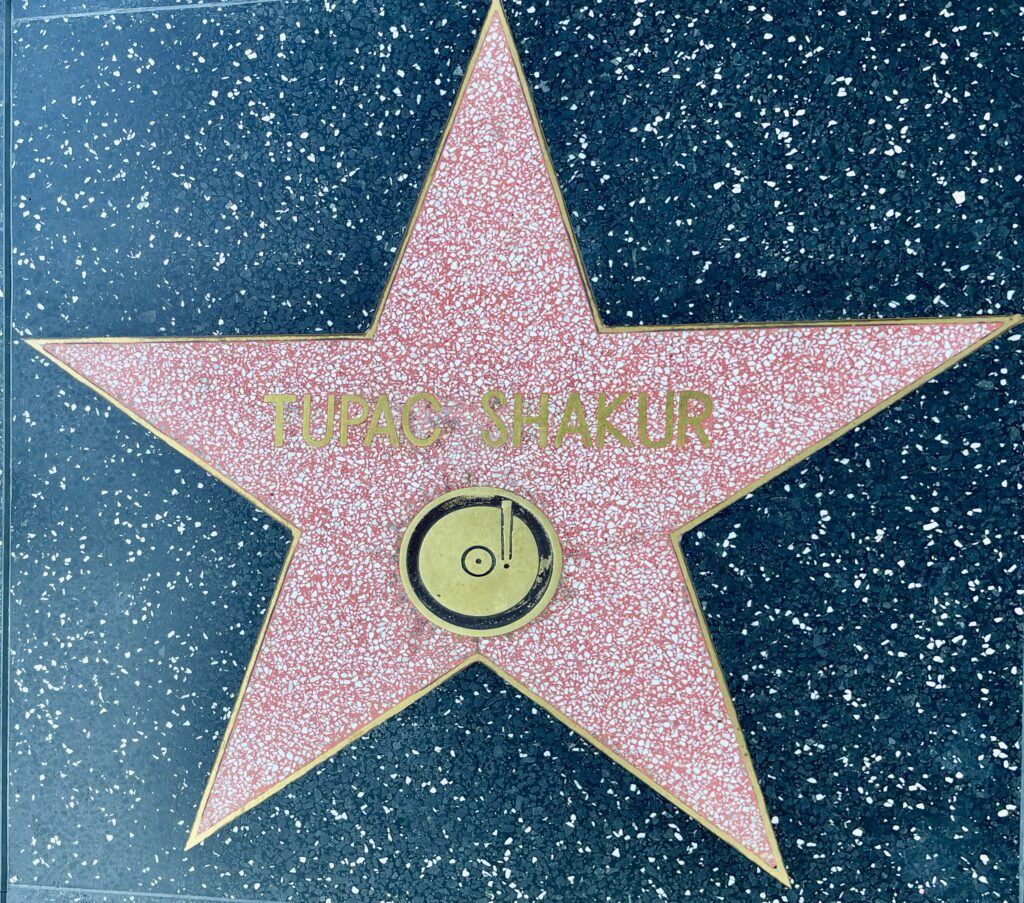
Tupac Shakur was a backup dancer for Digital Underground. He carried equipment. Then he became a star.
Money B says the real story was bigger than that.
In an October 16, 2026 interview with AllHipHop, published alongside promotion for his memoir, A D.U. Party Don’t Stop: The Money B Story, Money B described Tupac as an aspiring solo artist who entered Digital Underground’s operation while waiting for his own opportunity.
According to Money B, Tupac had previously performed with Ray Luv in Strictly Dope before becoming a solo artist signed to TNT Records, the label connected to Digital Underground. Money B said manager Atron Gregory asked the group to bring Tupac on its first U.S. tour because the young rapper was becoming impatient while waiting for a record deal.
That does not mean Tupac had one clean job description.
Money B recalled Tupac dancing, carrying equipment, rhyming and occasionally serving as a hype man. His role reportedly changed according to what the operation needed.
He contributed wherever he could while preparing for wherever he wanted to go.
Money B’s account is a firsthand recollection, not a newly released contract, payroll document or tour manifest. Important details remain unanswered, including exactly when Tupac joined the touring operation and what title—if any—appeared beside his name in official records.
Still, the distinction Money B is making matters.
Calling Tupac “Digital Underground’s backup dancer” is technically connected to something he did, but it can flatten a much larger relationship. In Money B’s version, Tupac was not simply hired to dance behind an established act. He was a developing solo artist gaining road experience, industry access and visibility inside a working musical network.
That network produced results.
The Associated Press records that Tupac appeared with Digital Underground on “Same Song” in 1991 before releasing 2Pacalypse Now later that year. REVOLT has also noted that Tupac reunited with Shock G and Money B for “I Get Around” in 1993, a record the outlet identified as his first breakout hit.
Those milestones are independently documented. Money B’s explanation of how Tupac reached them remains his account of what happened behind the scenes.
But the bigger story may be Digital Underground’s structure.
Money B told AllHipHop that the group operated as a collective where artists could gain exposure and pursue separate projects. He cited Raw Fusion, Tupac and Saafir as examples of talent moving toward individual opportunities.
That changes how the group’s legacy can be measured.
Digital Underground made its own records, built its own identity and gave hip hop one of its most recognizable characters. But if Money B’s description is accurate, the operation also provided something artists still need in 2026: a functioning platform where talent could learn, contribute, build relationships and eventually create something beyond the original brand.
The goal was not permanent dependence. The goal was movement.
Money B’s comments also reveal the other side of creating a powerful platform: sometimes the image that builds the business can begin controlling the person who created it.
According to Money B, Humpty Hump eventually became more recognizable than Digital Underground—and even Shock G, the musician who created and performed the character. Money B said Shock wanted greater recognition for his musicianship and eventually grew tired of repeatedly becoming Humpty.
That was not a new claim from him. In a February 19, 2022 report covering Money B and Young Hump’s Drink Champs appearance, REVOLT documented Money B’s similar account that Shock had burned out on the character, wanted to focus more heavily on jazz and musicianship, and supported Young Hump stepping into the role.
Money B also offered his belief that The Body-Hat Syndrome intentionally moved away from the Humpty-centered pop records Tommy Boy wanted. That interpretation should be treated as Money B’s theory, not confirmed label strategy. No communications establishing Tommy Boy’s alleged pressure were presented in the latest report.
VladTV’s February 2026 interview series with Money B revisited both Tupac’s early association with Digital Underground and Shock G’s legacy. Across the interviews, Money B’s larger point has remained consistent: the public version of the group’s history leaves out some of the infrastructure, internal ambitions and creative tension that shaped it.
There are still people who could add context. Atron Gregory, Ray Luv, DJ Fuze and other surviving participants may have their own memories. Money B’s memoir may also reveal whether his account is supported by documents or primarily by personal recollection.
Until then, his version deserves careful attribution—not automatic dismissal and not unquestioned acceptance.
What it offers is a more useful frame: Tupac’s time around Digital Underground was not necessarily a detour before his real career. It may have been part of the machinery that made that career possible.
REALITY CHECK: Strong Platforms Create Movement
A strong organization does more than benefit from talented people. It gives them experience, access and enough room to develop an identity of their own.
That can feel risky. When somebody grows beyond the platform that introduced them, leadership may see a lost asset, a competing brand or proof that loyalty had limits.
There is another way to read it.
If somebody leaves better connected, more capable and closer to building something of their own, that departure can be evidence that the system worked. Development is not always supposed to end with permanent membership.
That does not mean every exit is handled well. It does not mean every organization receives proper credit. And it does not prove every detail of Money B’s recollection.
It means leadership can be measured by more than who stays underneath it.
The group built the stage. The real business was helping people reach the next one.
LET’S TALK ABOUT IT
Should a group’s legacy be measured mainly by what it accomplished under its own name—or by how many artists it helped reach another level?
When someone outgrows the platform that introduced them, is that a loss for the organization or proof that its leadership worked?
Drop your take below—because building stars and keeping stars are two different conversations.