GTA VI Turns Miami Rap History Into Global Real Estate

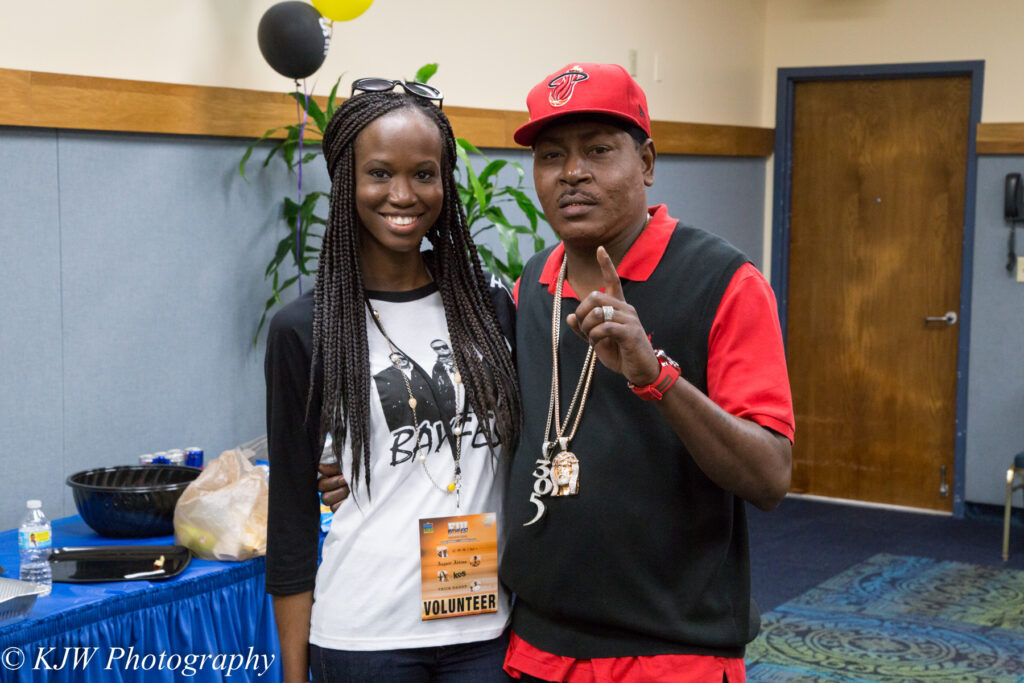
Miami rap is entering one of entertainment’s biggest worlds.
Not as background noise. Not as borrowed flavor.
Rockstar Games is putting some of the culture’s actual architects behind the microphone.
On October 8, Rockstar previewed six in-game radio stations for Grand Theft Auto VI, including Dirty South Classics, a station hosted by “Trick and Trina.” CBS News Miami identified the pair as Trick Daddy and Trina and reported that Miami-based Slip-N-Slide Records helped curate the music.
The station will spotlight regional rap and hip-hop classics when GTA VI arrives on November 19, 2026. Rockstar says the game will feature its largest and most varied collection of radio stations and podcasts yet.
That is the announcement.
The bigger story is what happens when a local sound becomes global entertainment—and who gets to represent it when it does.
Dirty South Classics places Trick Daddy and Trina inside the game as more than recognizable voices. Their presence connects the station to the people, institutions and records that helped establish Miami rap as its own force.
According to CBS News Miami, Slip-N-Slide founder Ted Lucas said the station celebrates the Miami sound that the label and its artists helped build. That curatorial role matters because regional music history can easily be repackaged without the people responsible for creating it.
A company can license the records. It can recreate the atmosphere. It can build a playlist that sounds close enough.
But culture carries more weight when its architects help tell the story.
Trick Daddy and Trina emerged through the same Miami ecosystem that Dirty South Classics is expected to represent. Slip-N-Slide did not discover that history after it became useful to a blockbuster video game; the label participated in building it.
Now that history is becoming part of a franchise with worldwide reach.
Rockstar is also connecting that legacy to current mainstream hip-hop through a separate project: Grand Theft Auto VI: The Album.
The company announced the 34-track companion album on September 17 and described it as a collection of original music inspired by Vice City and the wider state of Leonida. Stereogum reported that the first group of releases included Travis Scott’s “RHYNO” and Yung Lean’s “That’s It,” featuring Future and Metro Boomin.
On October 9, Cardi B released “Don’t Chart” as another advance single. Complex and Billboard both identified the record as part of the official album rollout.
That distinction is important.
The companion album and the in-game radio stations are separate pieces of Rockstar’s music strategy. Rockstar has listed “Don’t Chart” as an album track, but it has not confirmed that the song will play during gameplay or appear on Dirty South Classics.
Still, placing Cardi B’s new music beside a station rooted in Southern rap history shows the size of the play. Rockstar is not only using familiar classics to establish the world of GTA VI. It is building a music ecosystem that can connect regional memory, current stars and original releases under one enormous entertainment launch.
For Trick Daddy, Trina and Slip-N-Slide, that visibility could introduce their chapter of Miami music to listeners who were not around for its original run. It could also create renewed attention around older catalogs and the stories behind them, although no specific streaming, licensing or financial gains have been made public.
Recognition alone does not answer every question.
Rockstar has not revealed the complete Dirty South Classics playlist. The company has not explained how much original dialogue or programming Trick Daddy and Trina recorded. It also remains unclear which current Miami and Southern artists will appear, whether “Don’t Chart” will enter the game in any form, or who will be featured on the album’s remaining unrevealed tracks.
Then there is the business underneath all of it: Who controls the licensing? Who shapes the presentation? Who retains value if this exposure sends a new generation searching for the music?
Those answers will determine whether this is simply a strong cultural tribute or something more meaningful for the people whose work made the tribute possible.
REALITY CHECK: Protect the Work and the Story
Culture has a way of circling back.
A record, idea or movement can appear to belong to one era, then return years later through a game, film, sample, commercial or viral moment. Suddenly, work that some people treated like history becomes valuable again.
That lesson reaches beyond famous artists.
If you build something, document your contribution. Understand what you own. Keep the agreements, credits and records that show how the work came together. And when possible, maintain a voice in how that work is presented after the original spotlight moves somewhere else.
None of that guarantees a new deal or another payday. It does, however, make it harder for the story to be rewritten without you.
Trick Daddy, Trina and Slip-N-Slide being directly involved gives Dirty South Classics something a playlist assembled from a distance could not provide: a connection to the people who lived the history being packaged.
That is bigger than nostalgia. It is about preserving authorship when culture becomes intellectual property.
The headline is the placement. The real business is the stake.
LET’S TALK ABOUT IT
When a local sound becomes global entertainment, who should control how it is represented: the company providing the platform or the artists and institutions that built the culture?
Is public recognition enough, or should the original architects retain a meaningful stake in the new value their work creates?
Drop your perspective below—because celebration and ownership are not always the same conversation.