DJ Jazzy Jeff and Will Smith’s 215 Is Bigger Than an Origin Story

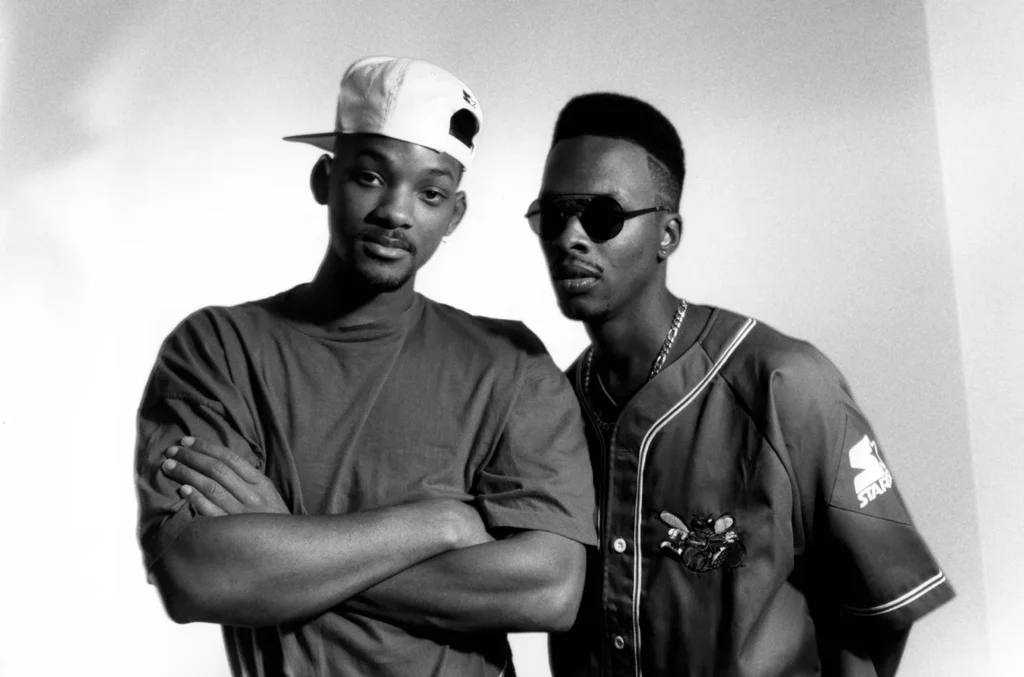
Before the television fame and blockbuster movies, there was a rapper, a DJ and a crew trying to make something happen in West Philadelphia.
Now that history is being developed for television.
Westbrook Studios and The Malar Group announced 215, a scripted coming-of-age series based on Will Smith’s early life and his rise alongside DJ Jazzy Jeff. According to the companies’ October 6 announcement, the story will follow a teenage rapper, his DJ partner and their friends as they chase a record deal, money and a future during the growth of Philadelphia’s late-1980s hip-hop scene.
But keep the current status clear: 215 is in development. No network or streaming platform has been announced, and there is no confirmed premiere date.
That is the headline.
The bigger story is what the companies plan to build around it.
Westbrook Studios and The Malar Group described 215 as the first project under a broader partnership to finance and develop film and television productions. Westbrook brings its development and production operation to the relationship, while Malar brings an investment platform designed to help finance a larger slate.
In plain language, the companies are not treating this origin story like a one-off nostalgia project. They are using it to launch a continuing business relationship.
That detail changes how 215 should be viewed.
Westbrook television president Terence Carter presented the series as a celebration of the Philadelphia hip-hop scene that helped shape DJ Jazzy Jeff & the Fresh Prince. According to Carter’s statement in the official announcement, the project is built around friendship, ambition and an authentic sense of place.
The Malar Group CEO Sayan Navaratnam emphasized another part of the equation: the lasting partnership between Smith and Jeff. In Navaratnam’s account, their belief in each other created something that endured far beyond its original moment.
Those are not competing explanations. Westbrook is emphasizing the story and its cultural setting. Malar is emphasizing the durability of the partnership and the potential to build beyond one production.
That is where hip-hop history becomes business infrastructure.
The Recording Academy’s records show DJ Jazzy Jeff & the Fresh Prince won the first Grammy for Best Rap Performance with “Parents Just Don’t Understand” on February 22, 1989. The duo won again on February 25, 1992, when “Summertime” received Best Rap Performance by a Duo or Group.
Those accomplishments are more than old trophies sitting inside a career retrospective. They establish the duo’s place in the documented expansion of rap into mainstream entertainment.
The connection still carries recognition decades later. According to the Recording Academy, Smith and Jeff reunited for a performance recorded on November 8, 2023, for A Grammy Salute to 50 Years of Hip-Hop. CBS later aired the special in December.
That reunion demonstrated something valuable: the audience still understands what the partnership represents.
For Smith, 215 gives Westbrook an opportunity to develop a larger production strategy around history connected directly to its cofounder. For DJ Jazzy Jeff, the series could restore attention to his central role in a partnership that can sometimes be overshadowed by Smith’s later success in television and film.
But dramatizing that history also creates pressure.
Audiences will be watching to see whether the series respects Jeff’s contribution, represents the duo’s crew fairly and treats West Philadelphia as more than a colorful backdrop. A scripted show can simplify timelines, combine people and reshape real events for drama. How far 215 plans to go in that direction has not been disclosed.
Neither company has announced exactly how Smith or DJ Jazzy Jeff will participate creatively. It is also unknown whether either artist could appear on camera.
Other major questions remain unanswered. Who will write and run the series? Who will direct it? Who will portray Smith, Jeff and the people around them? Which platform will carry it? When will production begin? And how closely will the scripts follow the documented history?
The Philadelphia Inquirer reported that neither a platform nor a start date had been announced. The official announcement also did not identify a cast, distributor, showrunner or premiere window.
That means 215 currently represents a development strategy, not a guaranteed television release. Plenty can happen between announcing an idea and delivering a finished series.
Still, the business logic is already visible. Westbrook and Malar are starting their partnership with a story that has recognizable names, proven cultural relevance and decades of documented history behind it.
The series is the product. The history is the asset.
REALITY CHECK: Your Past Can Keep Working
Most people treat finished work like it belongs in storage.
The project ends. The team separates. The photographs disappear into old phones, the paperwork gets lost and nobody documents how the result was created. Years later, when a new opportunity appears, the story exists—but the evidence, relationships and ownership needed to build from it may not.
215 points toward a different approach.
You do not have to be a Grammy-winning artist for your history to create future value. A business you helped build, a community project, a creative partnership, a body of work or even the lessons from a failed attempt can become useful again when it has been properly preserved.
That means protecting important work, documenting the process behind it, maintaining relationships and keeping clear records of ownership. It also means recognizing when one proven accomplishment can become the foundation for something larger.
This is not an argument for living in the past. Old memories do not automatically become valuable because they matter to the people who lived them. They need context, structure and a plan capable of carrying them into a new market.
That is the distinction behind 215.
Nostalgia asks us to remember what happened. Strategy asks what yesterday’s work can build tomorrow.
LET’S TALK ABOUT IT
Is 215 more important as a celebration of Philadelphia hip-hop history—or as a business model for turning that history into a larger entertainment slate?
What part of your own story could create new value if you documented, protected and packaged it properly?
Bring your perspective to the conversation—both sides of this story deserve a closer look.