Rick Ross Hit With $261K Lawsuit Over Canceled Shows — And the Promoter Says He Performed Somewhere Else Instead

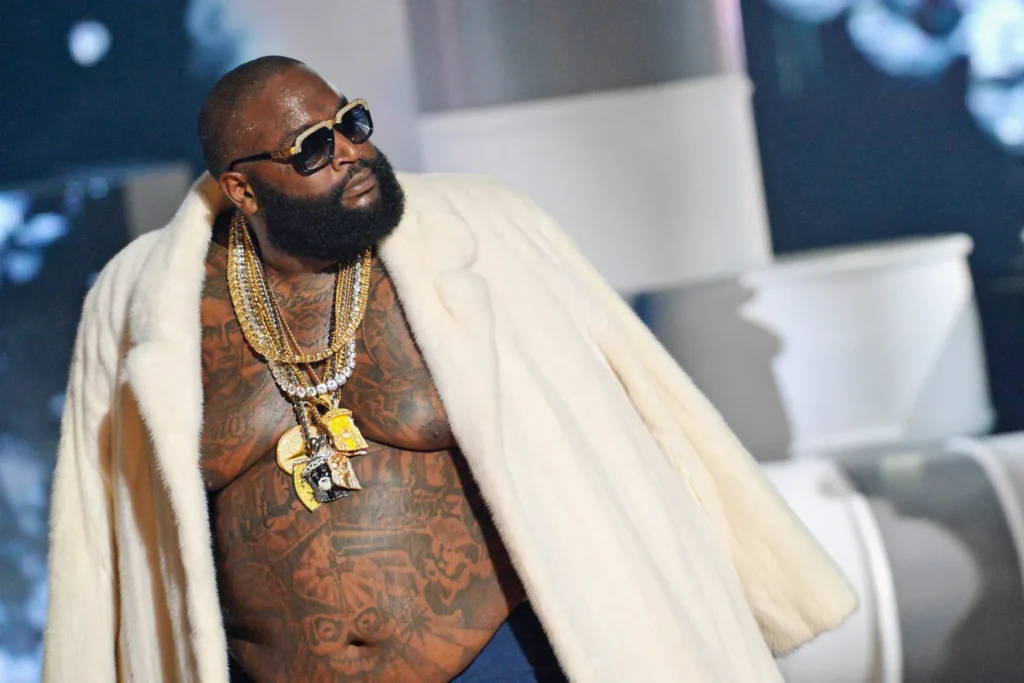
Rick Ross spent years building an image around being a boss, but one concert promoter in North Carolina is basically accusing him of being bad for business.
Omega14 Incorporated has filed a lawsuit against Ross, Maybach Music Group and his touring company over two canceled North Carolina dates from the Port of Miami 20th Anniversary Orchestra Tour. The shows were supposed to take place in Greensboro and Charlotte as the final stops of the anniversary run, but according to the lawsuit, Ross pulled out at the last minute after the promoter had already spent significant money preparing for both events.
Now, artists cancel shows all the time. Sometimes they’re sick. Sometimes there are production problems. Sometimes ticket sales aren’t where everybody hoped they would be. Touring is complicated enough that a canceled date by itself isn’t necessarily a major story.
What makes this situation different is what Omega14 claims happened next.
According to the lawsuit, Ross wasn’t simply unable to perform. The company alleges that he went to Florida and performed at other events on the same days he was supposed to be appearing in North Carolina.
If Omega14 can substantiate that claim, you can understand why they’re upset.
The Promoter Says It Had Already Spent Serious Money
According to the complaint, Ross agreed to perform for at least an hour at each North Carolina stop, and Omega14 says the contract only allowed him to cancel under circumstances involving “severe injury or death.” The promoter claims it had already committed substantial resources to venue bookings, production management, orchestral musicians, staffing, transportation, lodging, advertising and ticketing before being told the performances weren’t happening.
This wasn’t supposed to be Ross walking into a club, performing a few records over a DJ and leaving.
The Port of Miami anniversary tour was built around Ross performing with an orchestra, which means you’re dealing with considerably more moving pieces than a traditional rap show. Musicians have to be booked. Production has to be coordinated. Venues have to be staffed. People have to travel. Hotels get reserved. Marketing money gets spent.
By the time an audience walks through the doors, dozens of people may have already been working on that show for weeks.
That’s why canceling a concert at the last minute can become much more expensive than simply refunding tickets.
Omega14 claims the canceled dates left the company with more than $261,000 in expenses and lost profits. The lawsuit says the Charlotte show was approaching capacity and that the Greensboro date had also sold a substantial number of general-admission and VIP tickets.
In other words, the promoter’s argument isn’t simply, “Rick Ross hurt our feelings because he didn’t show up.”
They’re saying: We spent money because you agreed to be there.
That’s a business dispute.
The Timing Is Where Things Get Complicated
According to Omega14, Maybach Music manager Tawanda Roberts informed the company around 1 p.m. on the day of the Greensboro show that Ross “refused to perform” there and would also not perform at the Charlotte date scheduled for the following day. The promoter says it wasn’t given an emergency or other explanation that satisfied the cancellation terms in the contract.
Again, that’s the promoter’s account, and Ross hasn’t publicly responded to the lawsuit.
But Omega14 makes another allegation that’s going to be central to how people look at this situation: it says Ross performed in Orlando and Miami Beach on the same days he had contracted to perform the North Carolina dates.
The company argues that those appearances are inconsistent with the idea that a severe injury or illness prevented him from performing.
That’s where this becomes more than a normal canceled-concert story.
If an artist says, “I physically can’t perform tonight,” and then turns up performing somewhere else, obviously the promoter who just spent hundreds of thousands of dollars preparing for your show is going to have questions.
At the same time, we haven’t heard Ross’ explanation yet, and there may be contractual details or circumstances that aren’t contained in the promoter’s public allegations.
That’s exactly what lawsuits are for.
One side makes its case.
The other side responds.
Then evidence determines what actually happened.
Fans Usually Don’t See the Business Behind a Concert
This story also exposes something people rarely think about when buying a ticket.
Fans experience concerts from the front.
You buy the ticket, find parking, get something to drink, wait for the lights to go down and complain if your favorite artist comes out forty-five minutes late.
Behind that experience is an entire temporary business.
The venue has employees. Security has to be hired. Local crews are working. Musicians and dancers may be getting paid. Hotels are booked. Equipment gets transported. Advertising campaigns have already run. Ticketing companies have processed transactions.
That’s why promoters obsess over contracts.
If you’re putting hundreds of thousands of dollars at risk based largely on whether one person walks onto a stage at 9:30 p.m., you want that person’s obligations written down very clearly.
And celebrity doesn’t change that.
Rick Ross can own businesses, have an enormous catalog and call himself the biggest boss you’ve seen thus far. When there’s a signed performance agreement, the promoter isn’t dealing with the mythology of Rick Ross.
They’re dealing with William Roberts and a contract.
This Tour Had Already Attracted Attention Before the Lawsuit
The North Carolina cancellations weren’t invisible when they happened.
The Greensboro and Charlotte shows were canceled in late August, with venues telling ticket holders the dates would not be rescheduled and that refunds would be issued. Ross didn’t publicly provide a detailed explanation at the time.
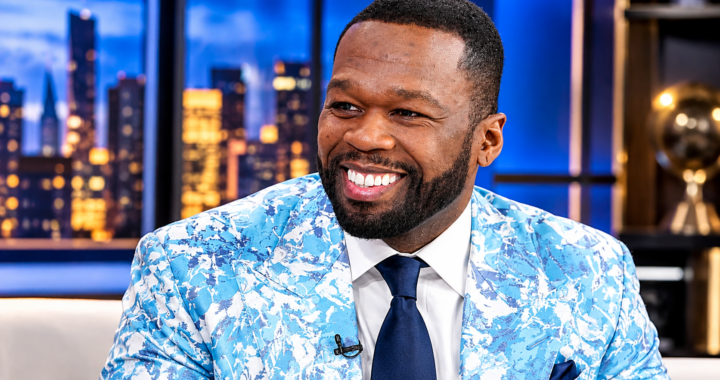
Naturally, 50 Cent saw an opportunity.
Because apparently nothing involving Rick Ross can happen in 2026 without 50 eventually appearing somewhere in the story.
50 mocked Ross over the canceled dates, adding them to the seemingly endless list of things the two have used to attack each other this year. Their feud has bounced from album sales to sneakers, liquor, houses, concerts and practically anything else either man can turn into ammunition.
At the time, canceled shows were mostly something people could joke about.
A lawsuit seeking recovery of more than $261,000 makes the underlying business dispute considerably more serious.
Rick Ross Hasn’t Responded Yet
It’s important not to write Omega14’s lawsuit as though a judge has already agreed with it.
The company has made allegations.
Ross and the other defendants will have an opportunity to respond.
As of the latest reporting, Ross had not publicly commented on the lawsuit, and Courthouse News reported that he did not respond to its request for comment.
That distinction matters because contracts can be complicated. There may be provisions, communications or circumstances we haven’t seen yet. There may be disagreements about who was responsible for particular obligations. Ross’ side may completely dispute the promoter’s description of what happened.
Until there’s a response or more documentation becomes public, we shouldn’t pretend we know the entire story.
But the lawsuit itself raises an interesting conversation about something hip-hop talks about constantly.
Being a boss.
REAL TALK
Hip-hop loves the word “boss.”
Everybody wants to own the company, have the biggest house, fly private, buy the cars and be the person nobody can tell what to do.
Rick Ross has probably built that image more successfully than almost anybody in his generation. Even outside music, his brand has become deeply connected to entrepreneurship, ownership and the idea of operating like a businessman rather than simply being an artist.
But the less glamorous side of being a boss is that business runs on people trusting your word.
That’s really what contracts are trying to accomplish. Two sides are saying, “If I do what I promised, I need to know you’re going to do what you promised.”
When that trust breaks down, everybody starts counting what it cost them.
And that’s where reputation becomes interesting.
We usually think about reputation as popularity. How many followers do you have? How famous are you? How many people know your name?
In business, reputation means something slightly different.
Do people believe you’ll do what you said you were going to do?
You can be incredibly famous and still become somebody people don’t want to work with if they believe doing business with you creates unnecessary risk.
Now, we don’t know yet whether Omega14’s allegations will hold up. Ross hasn’t publicly given his side, and the promoter still has to prove its claims.
But the larger idea exists regardless of who ultimately wins this lawsuit.
Your name might get you into the room, but eventually your habits determine whether people invite you back.
That’s true for artists, promoters and practically anybody running a business.
A promoter can have a beautiful website and big-name connections, but if artists don’t get paid, that promoter’s reputation eventually catches up with them. An artist can have millions of fans, but if venues and promoters start believing dates are unreliable, that becomes part of the calculation when somebody considers putting money behind the next show.
The same thing happens outside entertainment.
You can be the most talented person at your job, but if nobody knows whether you’re actually going to show up, eventually somebody slightly less talented and considerably more dependable starts looking pretty valuable.
That’s not exciting enough to become a rap lyric, but it’s how a lot of real businesses survive.
Reliability compounds the same way money does.
Every time you do what you said you would do, people become a little more comfortable doing business with you again. Eventually somebody will take a bigger risk on you because the smaller risks worked out.
The opposite compounds too.
And sometimes that’s the part of success people don’t see.
Everybody notices the mansion after the business works.
Nobody talks about the thousands of boring promises somebody had to keep along the way.
That’s why I’m interested to hear Ross’ side of this. If Omega14’s version is incomplete, the response could change how this entire situation looks. But if the promoter can establish that Ross contractually agreed to these shows, canceled at the last minute without a permitted reason and then performed elsewhere, the conversation becomes much harder to explain away as simply another tour date that didn’t work out.
Because at that point, the issue isn’t whether Rick Ross can perform.
It’s whether the people putting money behind a Rick Ross performance could rely on him being there.
And for somebody who has spent years selling the idea of being a boss, that’s actually the more important business question.
LET’S TALK ABOUT IT
If a promoter can prove that an artist canceled contracted shows at the last minute and then performed somewhere else on those same dates, should the artist be responsible for all of the promoter’s documented losses—or is losing money simply part of the risk promoters accept when they enter the concert business?
And here’s the bigger conversation: What matters more in business over the long run—having the biggest name in the room or having a reputation for always doing what you said you would do?
Because fame can make somebody want to do business with you once.
Reliability is usually what makes them want to do it twice.