JAY-Z Turned His Catalog Into a $42.29 Million Stadium Event

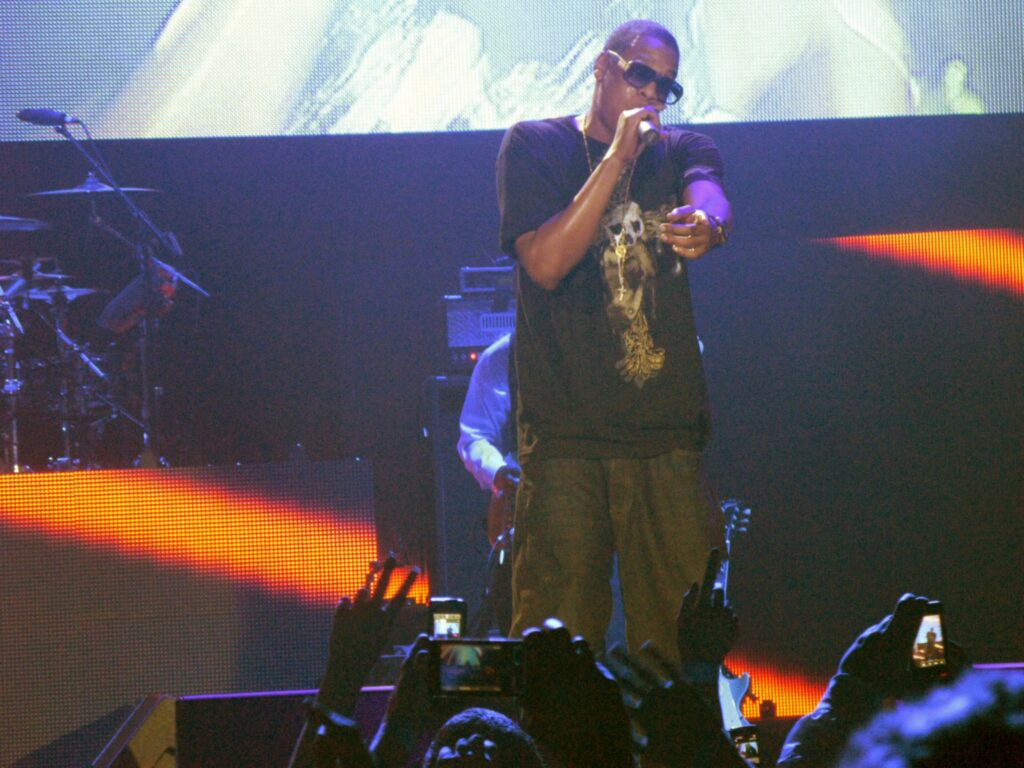
Most artists need a new album to sell a tour.
JAY-Z reportedly generated more than $42 million from three nights built around music released decades ago.
According to figures published by Touring Data on October 10, JAY-Z’s July 10–12 concerts at Yankee Stadium grossed $42,290,766 from 136,934 tickets. That works out to approximately $14.1 million and 45,645 tickets per show, based on averages reported by The Source and XXL.
Let’s make one distinction immediately: That $42.29 million represents box-office gross, not JAY-Z’s personal earnings.
Venue costs, production expenses, staffing, security, promoter agreements and other contractual splits would all affect how much money remained. No public report reviewed for this story reveals what JAY-Z personally took home.
Even with that clarification, the number is massive.
These were not regular tour stops supporting a new release. Yankee Stadium announced that the July 10 concert would celebrate the 30th anniversary of Reasonable Doubt, while the July 11 show would honor the 25th anniversary of The Blueprint. After Roc Nation said both dates sold out, the company added a third concert called “Extra Innings” for July 12, according to Hot 97.
That is where this becomes bigger than one successful weekend.
JAY-Z did not simply sell tickets to hear old songs. He turned two important chapters of his career into live events that gave fans a reason to experience that music again—in New York, inside Yankee Stadium, with the scale of the occasion matching the weight of the catalog.
The timeline moved quickly. JAY-Z and Roc Nation announced the first two concerts on March 18. Roc Nation added the third date on March 24 after reporting that the original shows had sold out. The concerts took place from July 10 through July 12, and Touring Data published the reported box-office totals in October.
XXL reported that the opening concert grossed $14.097 million, making it JAY-Z’s highest-grossing concert to date. The outlet also reported that he became the second solo rapper, after Ye, to gross more than $10 million from a single concert.
According to XXL, the July 11 attendance of 45,645 also became JAY-Z’s largest reported U.S. concert crowd as a solo artist.
Touring Data characterized the entire three-show engagement as the largest box-office report for a rapper, language later repeated by The Source. That distinction deserves careful attribution because the underlying box-office statement and Touring Data’s complete methodology for defining the category have not been made public in the reporting reviewed here.
In other words, the reported achievement is significant, but the record comparison has not been independently audited for this article.
The final concert also came with a serious complication. The Associated Press reported that groups of people without tickets rushed entrances before the July 12 show. According to a joint statement from the Yankees, Roc Nation and Live Nation cited by the AP, the stadium temporarily closed its entrances before reopening them.
The AP reported that the delay pushed the concert’s start past midnight.
That incident belongs in the full picture. A stadium event of this size is not only about demand; it is also about crowd management, security and the ability of organizers to protect the experience for the people who paid to attend.
Still, the larger business story remains clear: JAY-Z generated stadium-level demand without using a new album as the main attraction.
That matters in a music industry built to keep artists chasing the next single, the next trend and the next viral moment. New music can create momentum, but a trusted catalog can create leverage.
A strong body of work can support anniversary shows, special performances, documentaries, merchandise, licensing opportunities and other cultural events. It can also strengthen an artist’s position when negotiating with venues, promoters, sponsors and distribution partners.
But old music does not automatically become valuable just because time passes.
People have to care enough to return. The work has to carry meaning beyond its original release cycle. The presentation also has to make the audience feel that it is witnessing something more important than another performance of familiar records.
That appears to be the real power of this Yankee Stadium run. Reasonable Doubt and The Blueprint were not treated like products sitting in an archive. They became the foundation for a new experience—and nearly 137,000 reported ticket sales followed.
Important questions remain. Touring Data has not publicly identified the primary ticketing or box-office filing behind its figures in the reporting reviewed here. The individual grosses for the second and third concerts have not been disclosed, and neither have the expenses or revenue splits.
The full value of the broader anniversary campaign also remains unknown until additional markets are counted.
REALITY CHECK: Build Work That Can Keep Working
Everybody cannot fill Yankee Stadium, and that is not the lesson.
The lesson is that work created today can continue producing opportunities long after its original moment—if it remains meaningful, if its value is protected and if people are given a compelling reason to revisit it.
Ownership matters. Quality matters. Consistency matters. Cultural relevance matters.
None of those things guarantees a future payday, but together they can create something short-term attention rarely provides: negotiating power that lasts.
The headline is $42.29 million in reported ticket sales.
The real business is building something people still value decades later.
LET’S TALK ABOUT IT
Does JAY-Z’s Yankee Stadium run show that a powerful catalog can be more valuable than constantly chasing a new hit—or does every artist still need new music to keep that catalog alive?
What creates the most long-term value: ownership, quality, cultural impact or knowing how to reintroduce the work at the right moment?
Drop your take below—because this conversation is bigger than nostalgia.