A release date can become disputed.
A legacy is harder to argue with.
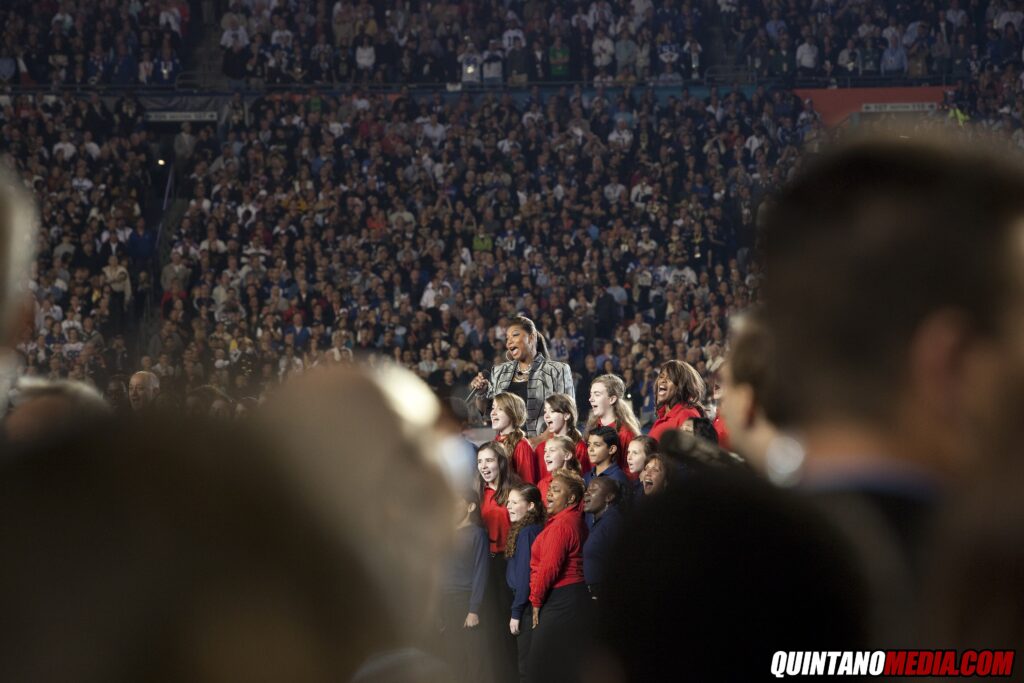
On November 14, 2026, Queen Latifah received the Rock & Roll Hall of Fame’s Early Influence Award. According to the Associated Press, Megan Thee Stallion inducted her, and Latifah performed a medley with MC Lyte that included “U.N.I.T.Y.”
The ceremony renewed attention around Latifah’s debut album, All Hail the Queen. It also exposed a basic problem with the way hip-hop history gets repeated online.
On November 28, The Source published a retrospective calling the album 34 years old and presenting that date as its anniversary. The same article identified 1989 as the release year.
That math does not work.
An album released in 1989 turned 37 in 2026, not 34. More importantly, the Library of Congress, Queen Latifah’s official Bandcamp catalog and Apple Music all identify November 7, 1989, as the release date.
Some music databases list November 28, so there is a genuine metadata conflict worth acknowledging. But the strongest available documentation—including a federal cultural institution and an artist-controlled catalog—supports November 7.
That clears up the best-supported date.
It does not explain why The Source used “34 years ago,” where the conflicting November 28 date originated or whether the publication plans to correct its anniversary framing. Without additional evidence, there is no reason to invent an answer.
But the mistake is only the doorway into the story.
The bigger story is what happened after release day.
According to the Library of Congress, Latifah was 19 when All Hail the Queen arrived through Tommy Boy Records. A debut album is usually an artist’s first major opportunity to define how the public will understand the name, the voice and the point of view.
Latifah did not enter quietly.
The Rock & Roll Hall of Fame describes “Ladies First” as the debut album’s feminist anthem. That record gave All Hail the Queen more than a recognizable single. It gave the project a cultural position built around women’s authority, dignity and leadership inside a genre where those ideas still had to fight for space.
That identity mattered.
Plenty of albums receive attention during their promotional cycle. Videos run, interviews circulate, reviews arrive and the industry moves toward the next release. Most of that attention has an expiration date.
Distinctive work can keep moving after the campaign stops.
In 2023, the Library of Congress selected All Hail the Queen for the National Recording Registry. That recognition did not simply celebrate a popular album. It placed the project inside a collection devoted to recordings considered culturally, historically or aesthetically significant.
Then came the Rock Hall recognition in 2026.
The Early Influence Award honors Queen Latifah’s broader impact, not one album by itself. Still, the line connecting that honor to her debut is difficult to miss. The ideas that helped introduce her at 19—command, purpose and a refusal to shrink women’s voices—continued to shape how major institutions understood her contribution decades later.
That does not mean institutional approval creates cultural value. Hip-hop communities often recognize importance long before museums, archives and halls of fame catch up.
It means the work kept accumulating evidence.
The songs remained part of the conversation. The album entered the National Recording Registry. A new generation watched Megan Thee Stallion induct Latifah while MC Lyte joined her onstage. What began as a young MC’s introduction became part of hip-hop’s preserved history and its living present.
That is why reducing this moment to an incorrect anniversary headline misses what is actually worth discussing.
Historical accuracy still matters. Dates shape timelines, timelines shape credit and careless repetition can turn questionable metadata into accepted fact. Publications covering hip-hop history should treat that record with the same care given to any other major cultural archive.
At the same time, All Hail the Queen does not need a manufactured anniversary to remain relevant.
Its real achievement is that listeners can still recognize what it stood for.
REALITY CHECK: Build Beyond the Launch
The first response to creative work can feel like the final verdict.
Streams, reactions, reposts and playlist placements create an immediate scoreboard. When those numbers move, the launch feels successful. When they do not, people can start treating the work like it has already failed.
But release week measures attention. It does not always measure staying power.
Work lasts when people can identify something inside it that cannot be easily replaced: a point of view, a standard, a sound or a purpose. That kind of clarity gives audiences a reason to return after the marketing disappears.
Queen Latifah’s debut did not remain culturally visible because everybody preserved the same promotional calendar from 1989. It endured because the identity inside the music stayed recognizable enough to be discussed, archived and honored decades later.
That is the lesson for anybody building something now.
Make the release matter, but do not confuse the rollout with the work. Trends can introduce an artist. A clear identity gives people a reason to remember one.
Attention can introduce the work, but identity is what gives it a life after the promotion ends.
The anniversary error is the headline. The long game is the real business.
LET’S TALK ABOUT IT
What gives creative work more staying power: the attention it receives when it drops, or the clarity and purpose people can still recognize decades later?
When historical sources conflict, who should carry the most authority—the artist, a public institution or the publication repeating the anniversary?
Drop your take below—because legacy deserves more care than a recycled date.