Nas Says Honoring Black Music Requires More Than Knowing the History

Everybody celebrates the music once it becomes valuable.
The harder conversation is who still owns a piece of that value years later.
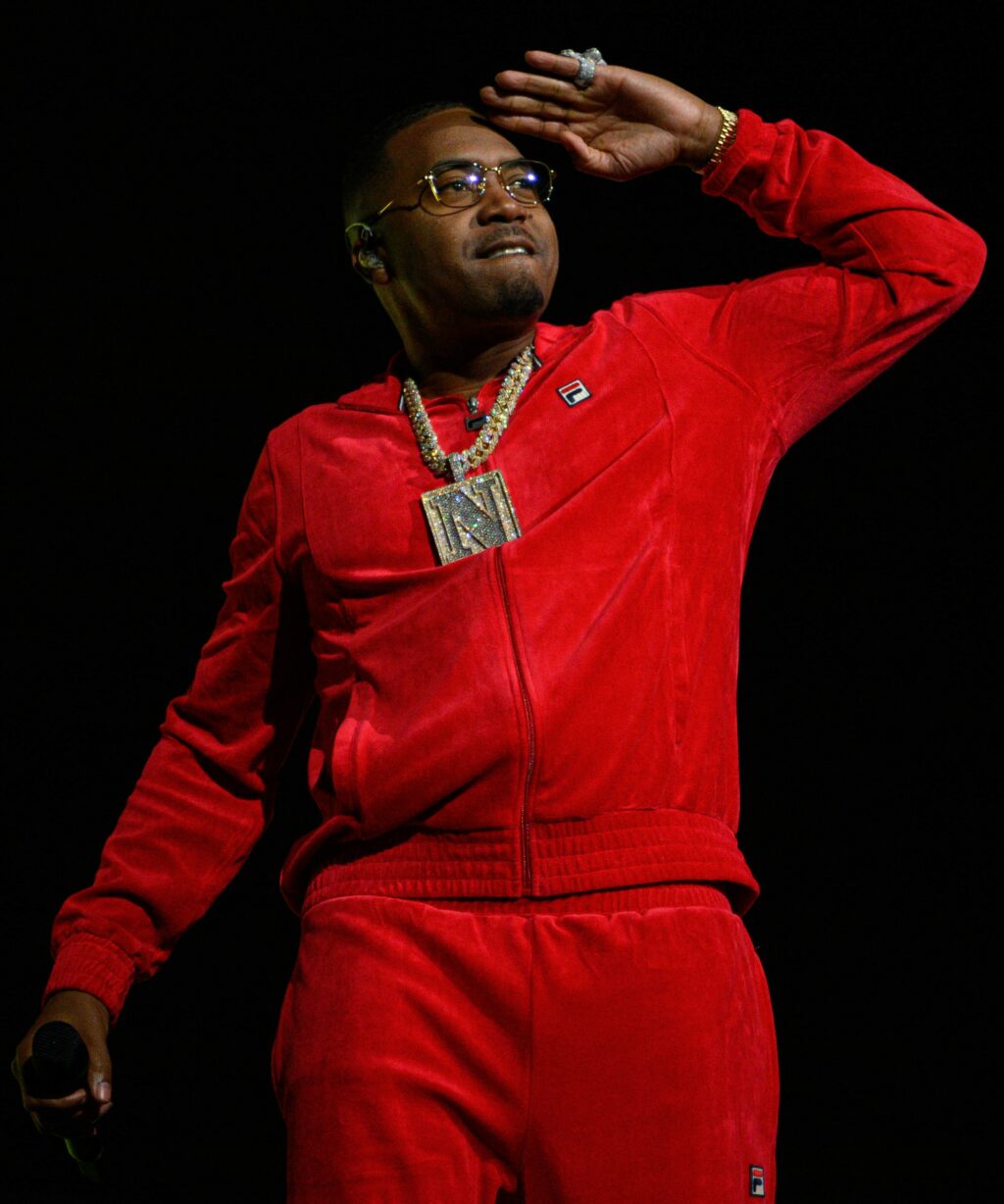
Nas brought that tension to the front on October 15, 2026, when he posted an open letter on Instagram challenging artists, creators and music executives to honor the Black pioneers whose work built the foundation beneath today’s industry.
According to Nas’s statement, he spent the past year working on music while watching what was happening across the culture. What he saw left him questioning an industry that continues to benefit from Black musical innovation while too often forgetting—or failing to compensate—the people responsible for creating it.
His message was not simply about respecting the past.
It was about protecting what Black creators build in the present.
Nas traced that history from the Mississippi Delta through New Orleans and into New York, according to The Source. He pointed to blues pioneer Robert Johnson as an example of a foundational artist whose legacy was not adequately protected.
That historical path matters because hip-hop did not appear out of nowhere. The sound, language and business surrounding it grew from generations of Black expression—music created under pressure, passed between communities and eventually turned into industries worth far more than many of its originators ever received.
Nas argued in the letter that earlier Black artists were exploited while the business built around their work kept expanding, according to XXL and The Source. He urged today’s creators to stop making music merely to follow trends, understand what they contribute to the culture and “take a stand as one.”
That is a strong challenge, especially in an era when artists are expected to move at the speed of the feed.
A sound catches attention. A phrase becomes content. A record takes off because it fits the moment. Then the audience moves to the next thing.
There is nothing automatically wrong with recognizing what people want to hear. Hip-hop has always responded to the energy of the streets, clubs and technology around it. But Nas appears to be drawing a line between responding to the moment and allowing the moment to dictate the culture’s entire direction.
A trend can create attention. It cannot guarantee control.
That is the business issue sitting underneath his letter.
Creating cultural value and controlling its financial value are two different things. An artist can write the line everybody repeats, help shape the sound everybody copies or contribute to a record that lasts for years—and still surrender major rights through agreements involving publishing, master recordings, credit or future revenue.
That does not mean every contract is exploitative or every artist should reject outside investment. Labels, publishers, distributors and other partners can provide resources that help music reach a much larger audience.
But every deal answers a basic question: Who controls what was created, and who continues benefiting after the excitement fades?
That is why Nas’s argument reaches beyond nostalgia. Knowing the names of pioneers is important, but respect becomes incomplete when the same industry patterns keep repeating. A tribute cannot replace proper credit. Celebration cannot replace compensation. Cultural recognition does not automatically create ownership.
Nas also left readers with a mystery.
He ended the statement with: “Nasir Jones. BLAK MUSIC 2026.”
Billboard, XXL, The Source and AllHipHop all discussed the phrase while reporting on the letter, but Nas did not explain what it means. He did not identify it as an album, campaign, compilation or Mass Appeal initiative.
No title, release date, tracklist, featured artist or producer was announced in the cited reporting. Nas confirmed that he has been working on music, but anything beyond that remains speculation until he says otherwise.
That distinction counts.
A mysterious sign-off can create excitement, but excitement should not be turned into an announcement that never happened. “BLAK MUSIC 2026” may become a musical project, a broader cultural effort or something else entirely. Right now, it is an unexplained phrase attached to a public challenge.
Whatever comes next will also be measured against the standard Nas just set.
As an active artist and a veteran voice in hip-hop, he is asking the culture to think beyond temporary visibility and confront questions of recognition, unity and economic control. If “BLAK MUSIC 2026” becomes something public, listeners will have every reason to ask whether it advances those ideas through meaningful ownership or compensation—or whether the letter remains a broad statement of principle.
For now, the message is clearer than the rollout: Honoring Black music is not only about remembering who created the foundation. It is about making sure today’s creators are not separated from what they build.
REALITY CHECK: Value Is Not Control
Here is the practical lesson.
Talent can create something valuable. Hard work can make that value visible. But contracts, documentation and ownership often determine who controls it after the opportunity arrives.
That is why reading an agreement matters. What rights are being transferred? How long does the transfer last? Who owns the master? Who controls the publishing? Is every contribution documented, and is the promised credit actually written into the deal?
Those questions are not as exciting as a release date or a viral moment, but they can matter long after both are forgotten.
Immediate exposure may open a door. Upfront money may solve a real problem. Lasting ownership may provide greater control over the future. Artists can reasonably value those benefits differently, but they should understand what they are exchanging before making that decision.
This lesson extends beyond music. Whenever your ideas, labor or reputation help create value, the real negotiation is not just about getting the opportunity. It is about retaining a fair stake in whatever that opportunity produces.
That is the difference Nas’s letter puts on the table:
Making something valuable is one victory. Keeping control of your share is another.
LET’S TALK ABOUT IT
Can hip-hop truly honor its roots without changing who owns the music and who receives the long-term financial rewards?
When an artist evaluates a deal, what should carry the most weight: immediate visibility, upfront money or lasting ownership?
Drop your take below—because preserving the culture also means protecting the people creating it.